

Municipality
Clarence
Funding Status
Awaiting Support
Achievement Plans
In this project, we aim to create a Wild Food Trail and Cultural Burning Area that serves as a living classroom for students. The trail will provide hands-on experiences in propagating, identifying, harvesting, and cooking indigenous foods, giving young people practical skills in horticulture, cooking, and nutrition. These programs will promote sustainability, food security, and cultural engagement.Importantly, the garden and burning ring will support students—particularly Tasmanian Aboriginal students—in reconnecting with land, culture, and traditional knowledge systems. By learning how food and fire have been used to care for Country, students will gain a deeper appreciation of ecological stewardship and cultural heritage.
Methods
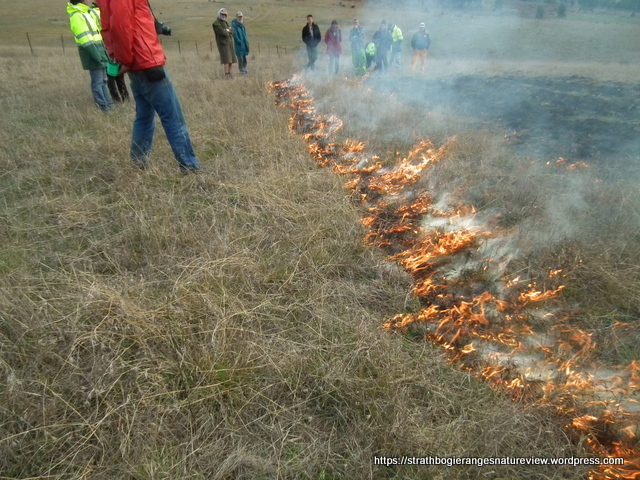
This project will be delivered through a collaborative approach involving students, staff, community partners, and cultural experts. The Wild Food Trail will be planned and constructed by Bayview Secondary College’s Landcare and Agricultural Enterprise students, supported by staff and volunteers. Students will be directly involved in propagation, planting, and maintenance, gaining hands-on horticultural experience. Gravel pathways will be laid to ensure accessibility, and themed garden zones will be created to showcase diverse Tasmanian bushfoods.The Cultural Burning Ring will be designed and constructed in collaboration with our school’s MDT team, who will build the Coreten steel structure. Cultural burns will be guided by Indigenous Fire Practitioner Jason Andrew Smith, ensuring cultural integrity, safety, and ecological benefit. These burns will occur annually or bi-annually, supported by DECYP to ensure compliance with OHS and environmental management standards.Expert advice has shaped the project design, drawing on guidance from Jason Andrew Smith, the Tasmanian Aboriginal Centre, and author Reese Campbell (Eat Wild – Tasmania), alongside support from Landcare Tasmania. The approach is informed by cultural knowledge systems, ecological best practice, and successful models such as the cultural burning program at Brighton High School.Through this partnership model, the project will be carried out in a way that is culturally respectful, environmentally sustainable, and educationally enriching for students and the wider community.
Natural Values
The Wild Food Trail will provide students with hands-on learning experiences in the propagation, identification, harvesting, and cooking of indigenous foods. These programs will foster practical skills in horticulture, cooking, and nutrition, while promoting sustainability, food security, and cultural engagement. Importantly, the garden and burning ring will help reconnect students—particularly Tasmanian Aboriginal students—to land, culture, and traditional knowledge systems. By learning how food and fire were used to care for Country, students will gain a deeper appreciation for ecological stewardship and cultural heritage. This space will act as a living classroom, where cultural practices are valued, students collaborate on meaningful projects, and young people develop respect for the land and its stories.
Outcomes
By establishing the Wild Food Trail and Cultural Burning Area, we expect to see both environmental and educational outcomes.Environmental outcomes:Cultural burning will support biodiversity by maintaining grassland ecosystems, encouraging regeneration of culturally important plants, and reducing fuel loads to lower bushfire risk.The Wild Food Garden will increase the presence of native bushfood species on school grounds, improving habitat value and showcasing the ecological role of these plants.Knowledge and skills outcomes:Students will develop hands-on skills in plant propagation, harvesting, and cooking with indigenous foods.Students will gain cultural knowledge by learning about traditional fire and food practices, particularly reconnecting Tasmanian Aboriginal students with land and heritage.Primary and secondary students will participate in programs that foster sustainability, food security, ecological stewardship, and respect for cultural practices.School and community members will engage in annual cultural burns and National Tree Day plantings, deepening community connection to land care.
Amount
$5k - $10k
