Published August 25, 2025
Growing connection, well-being and resilience across Tasmania.
Over the past two years, Landcare Tasmania has partnered with Loreto Community Housing, a leading community housing provider, to deliver the Connecting Communities with Landcare project.
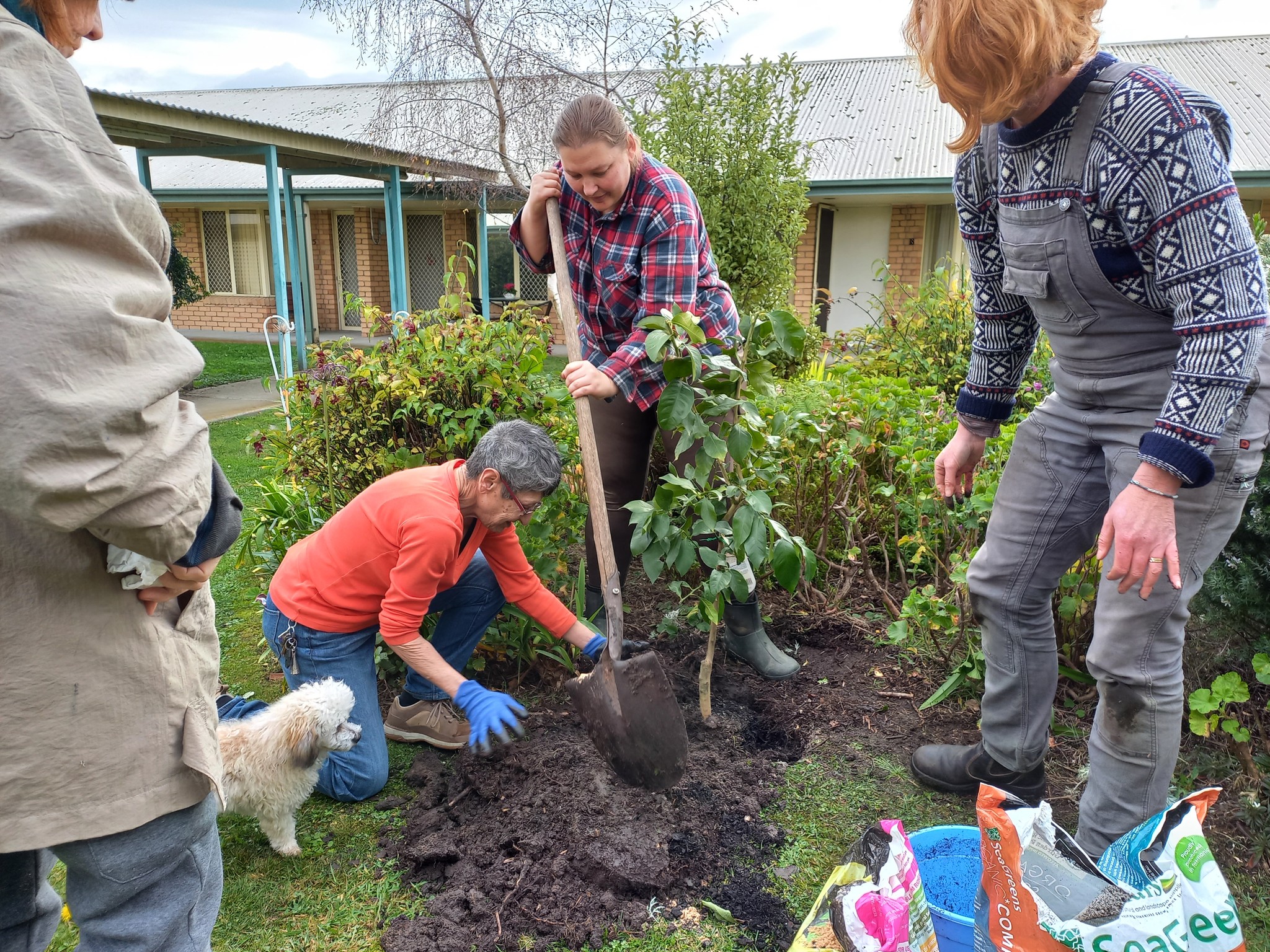
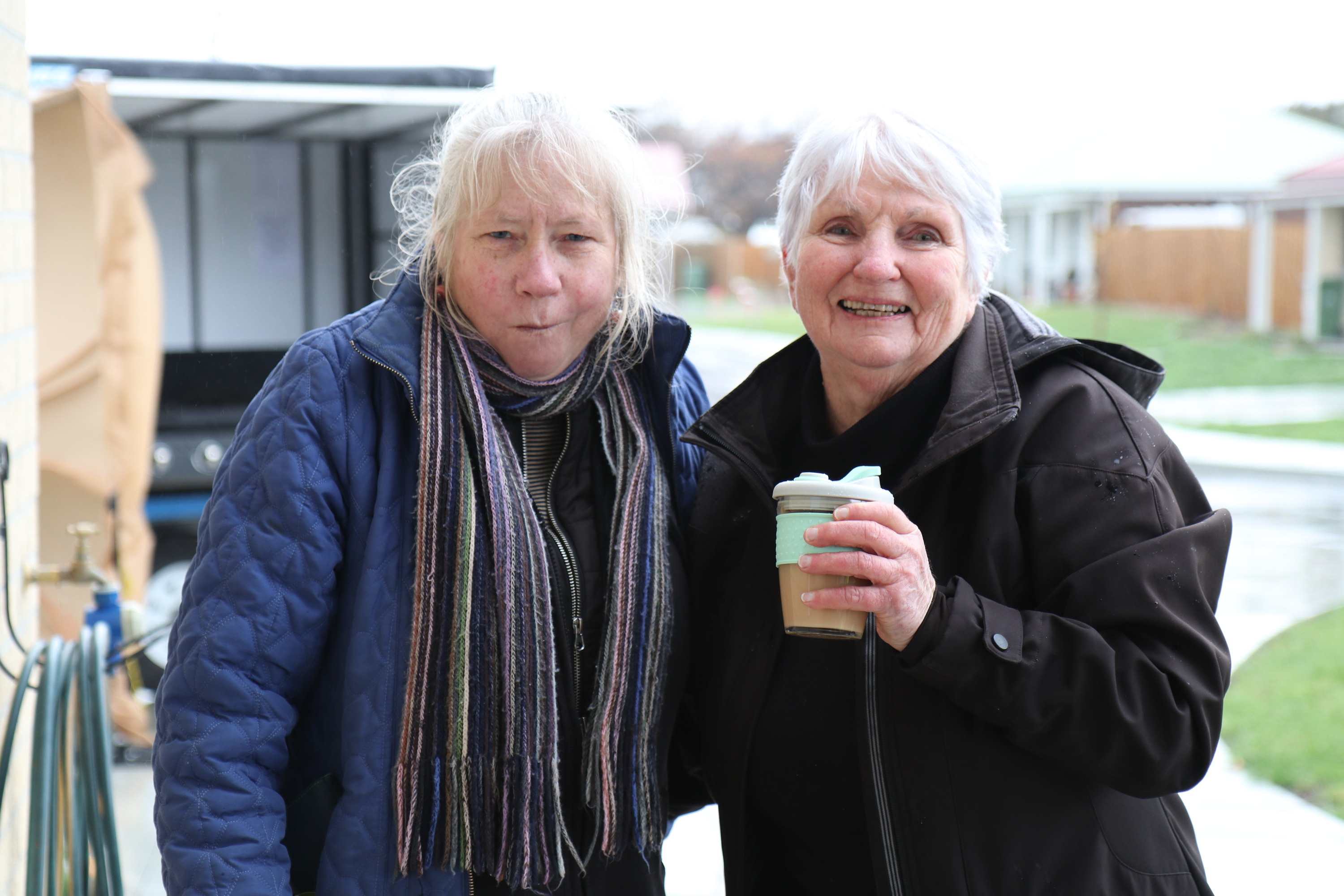
Planting fruit trees with tenants from a community housing site in Kingston. Photo credit: Dawn Green.
Funded by the Department of Social Services’ Strong and Resilient Communities – Inclusive Communities Grant, the project set out to strengthen tenant well-being, resilience, and connection through hands‑on gardening, food‑growing, and nature‑based activities.
Across eight community housing sites throughout Tasmania, we delivered engagement sessions at each site, working closely with tenants to co‑design workshops that reflected their interests and needs.
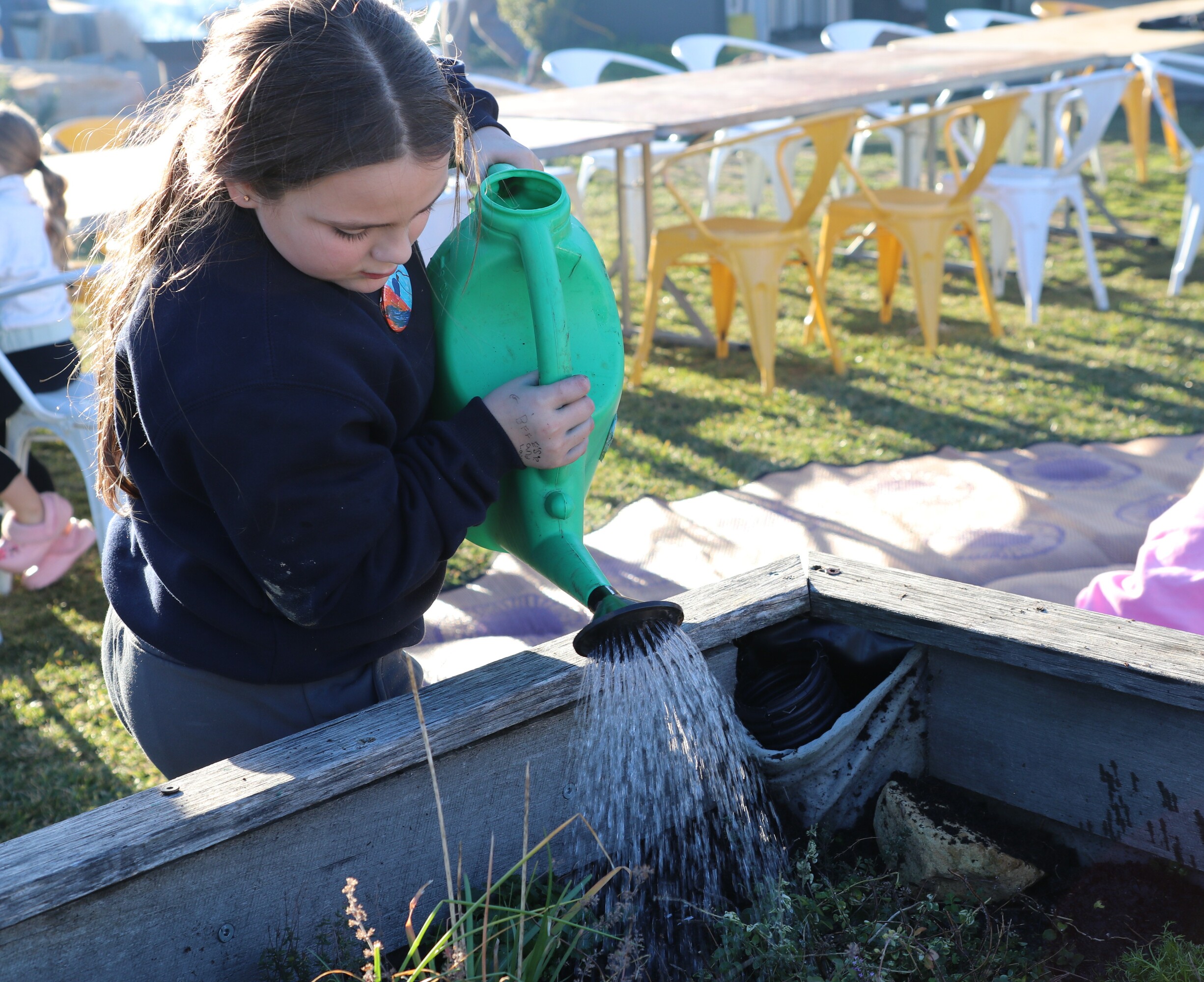
From composting and native seed collection to tree planting, raised bed gardening, and shared meals, each site developed its own approach to building greener, more connected communities. Many sites now have fruit orchards, communal garden beds, or new communal seating areas—simple but lasting changes that encourage people to spend time outdoors, connect with neighbours, and enjoy fresh, home‑grown food.
Connecting Communities with Landcare - workshop at Campbell Town. Photo credit: Loreto Community Housing.
The impact has been significant. Tenants reported improved mental health, confidence, and social connection. For some, the workshops provided a much‑needed reason to get outside, meet neighbours, and feel part of something positive. Others gained new skills in growing food, understanding seasonal cycles, and caring for shared green spaces—skills they can use in their own homes too.
Here is just some of the feedback from participants:
"What I get out of these workshops is I find harmony. Where there is harmony in a community, it is really lovely. I like seeing smiling faces, I like seeing people talking nicely to each other. To me it makes this place pleasant to live in."
"The workshop was excellent. Sonja was very instructive and very patient with us. I think it's an excellent idea and brings people together.
It gives a positive vibe."
One of the key learnings from the project was the importance of being flexible and responsive. As we got to know each tenant community, it became clear that smaller, relationship‑focused workshops were more meaningful and inclusive than larger contractor‑led activities. By adapting our approach, Landcare Tasmania staff were able to create safe, welcoming spaces where tenants felt seen, heard, and invested in.
The success of this project wouldn’t have been possible without the support of Loreto Community Housing staff and tenants, and the commitment of our project partners, The Material Institute, who helped us connect with even more people through their community events.
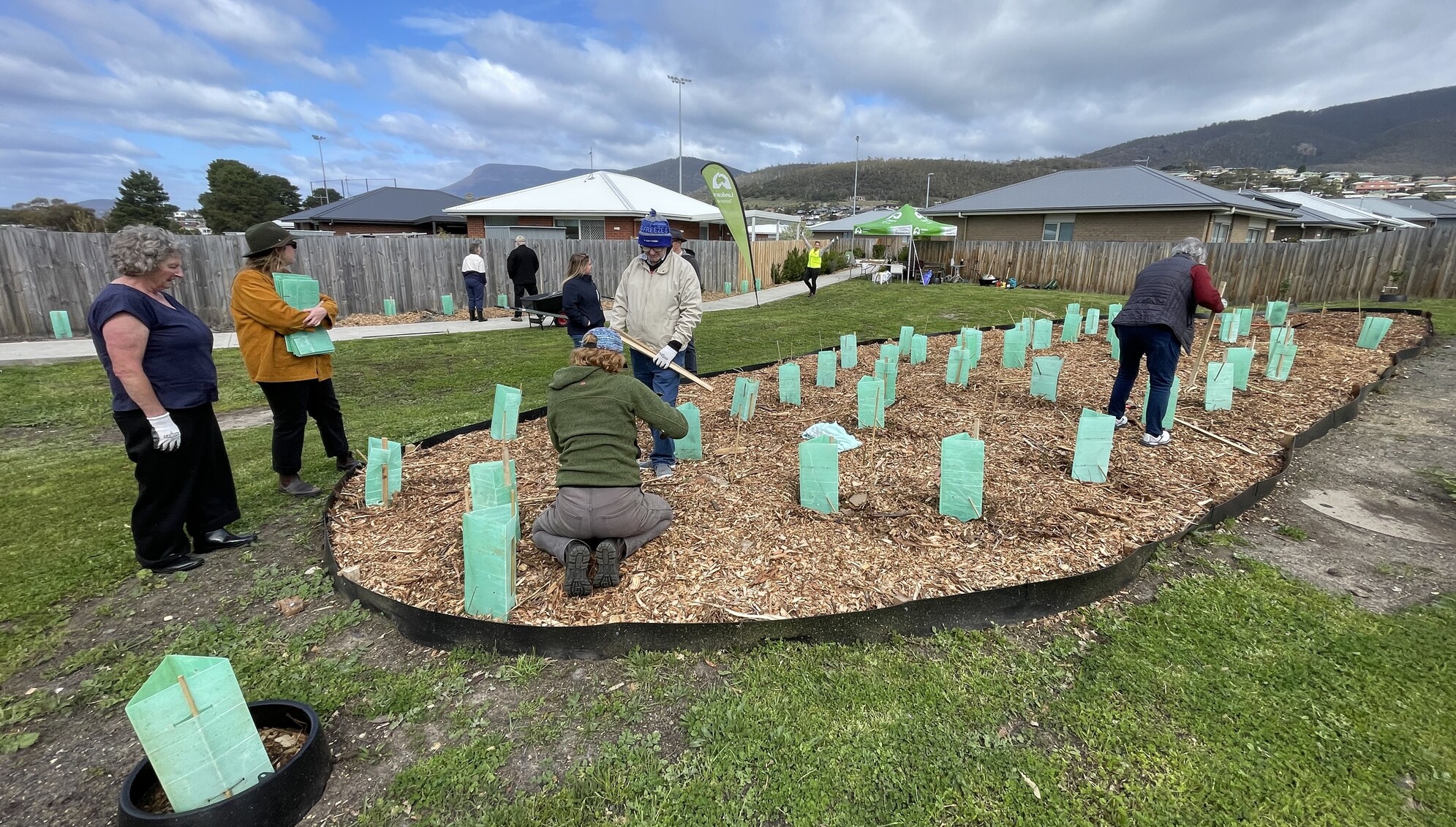
The project in full swing at Claremont. Photo credit: Landcare Tasmania.
We’re proud of what has been achieved so far—stronger tenant connections, greener spaces, and more resilient communities.
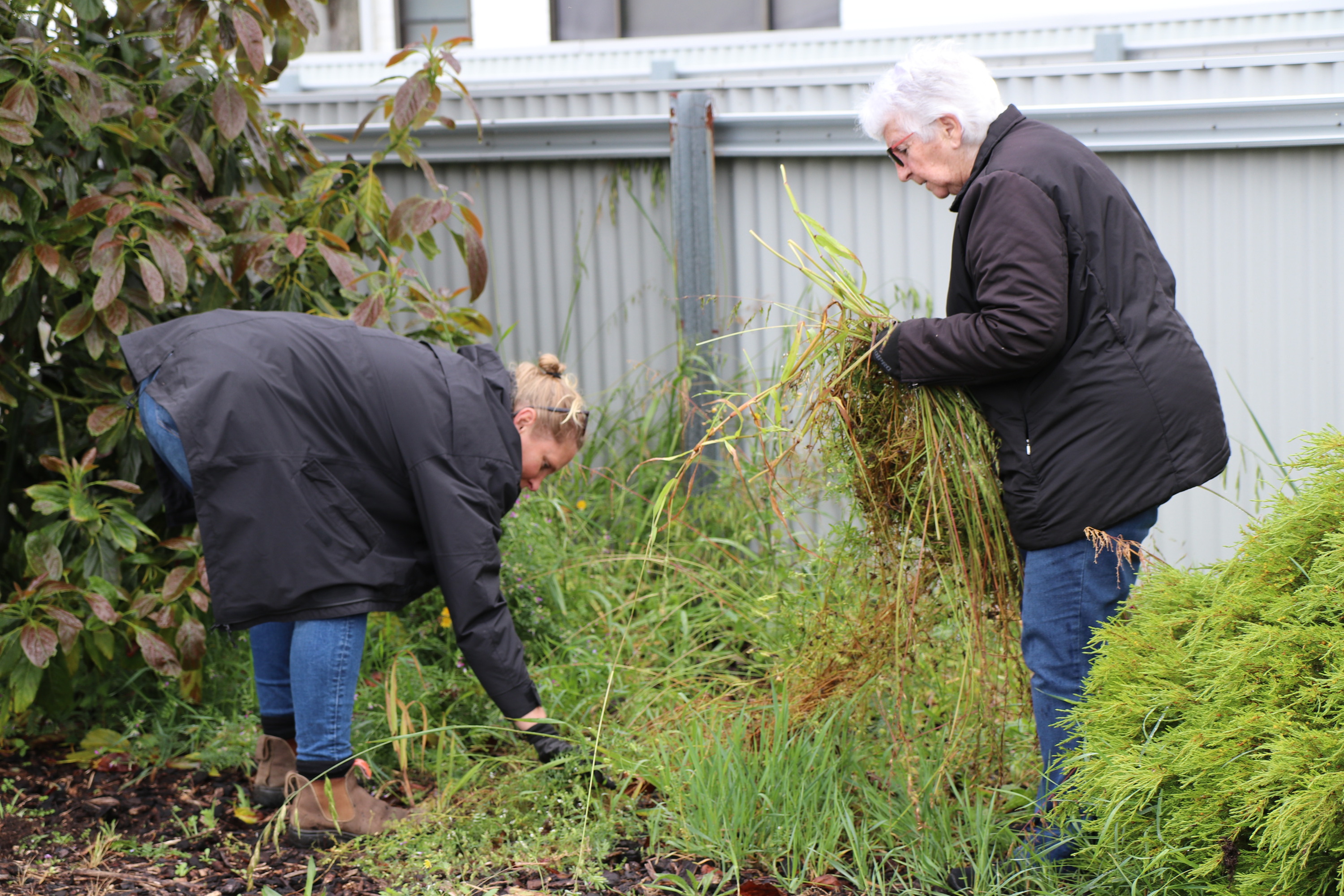
Photos from the project
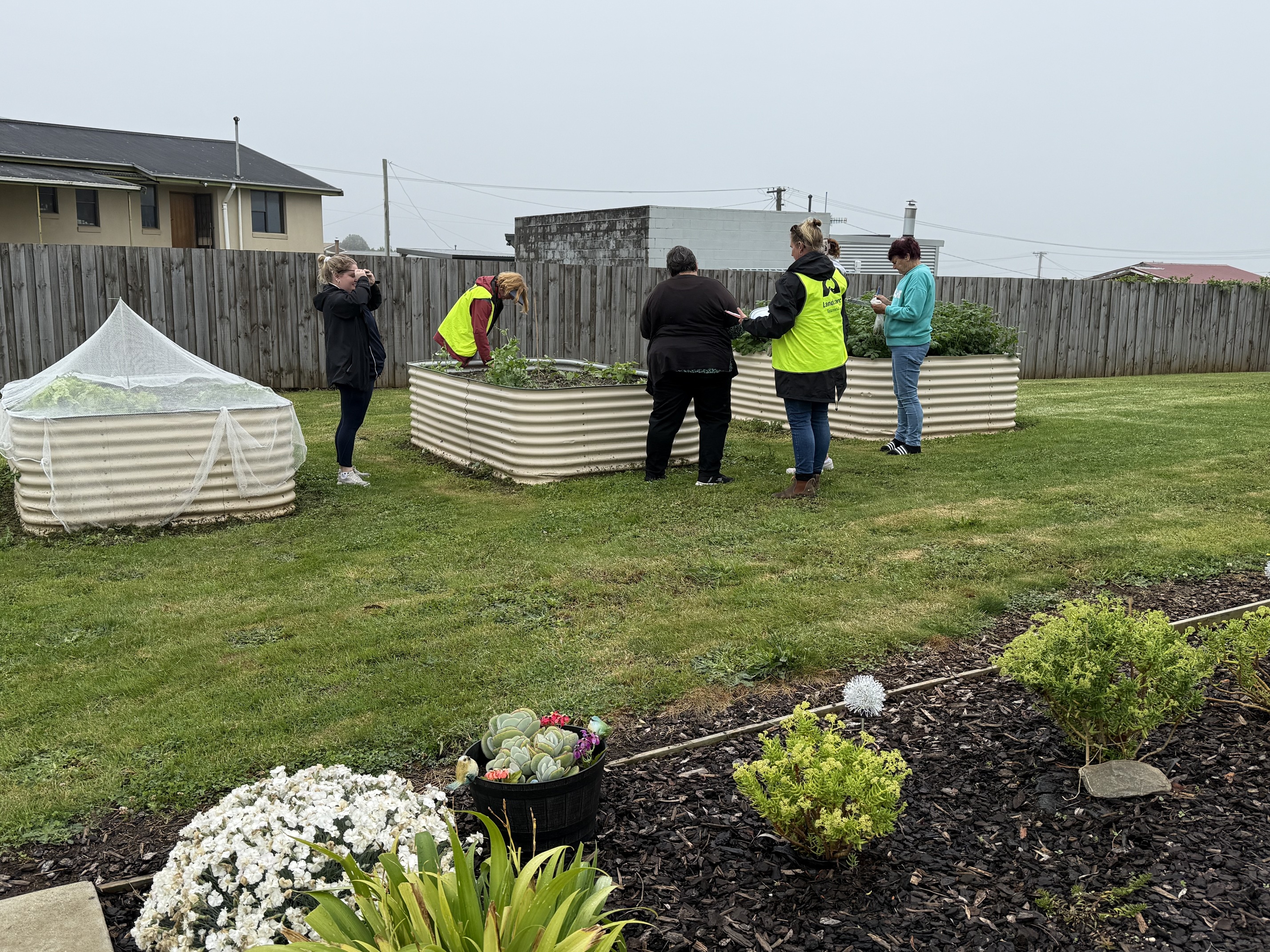
Communal garden planning with tenants in Burnie. Photo credit: Landcare Tasmania.
Adding finishing touches to the communal sensory and food garden in Richmond. Photo credit: Loreto Community Housing.
Working bee in Wynyard. Photo credit: Loreto Community Housing
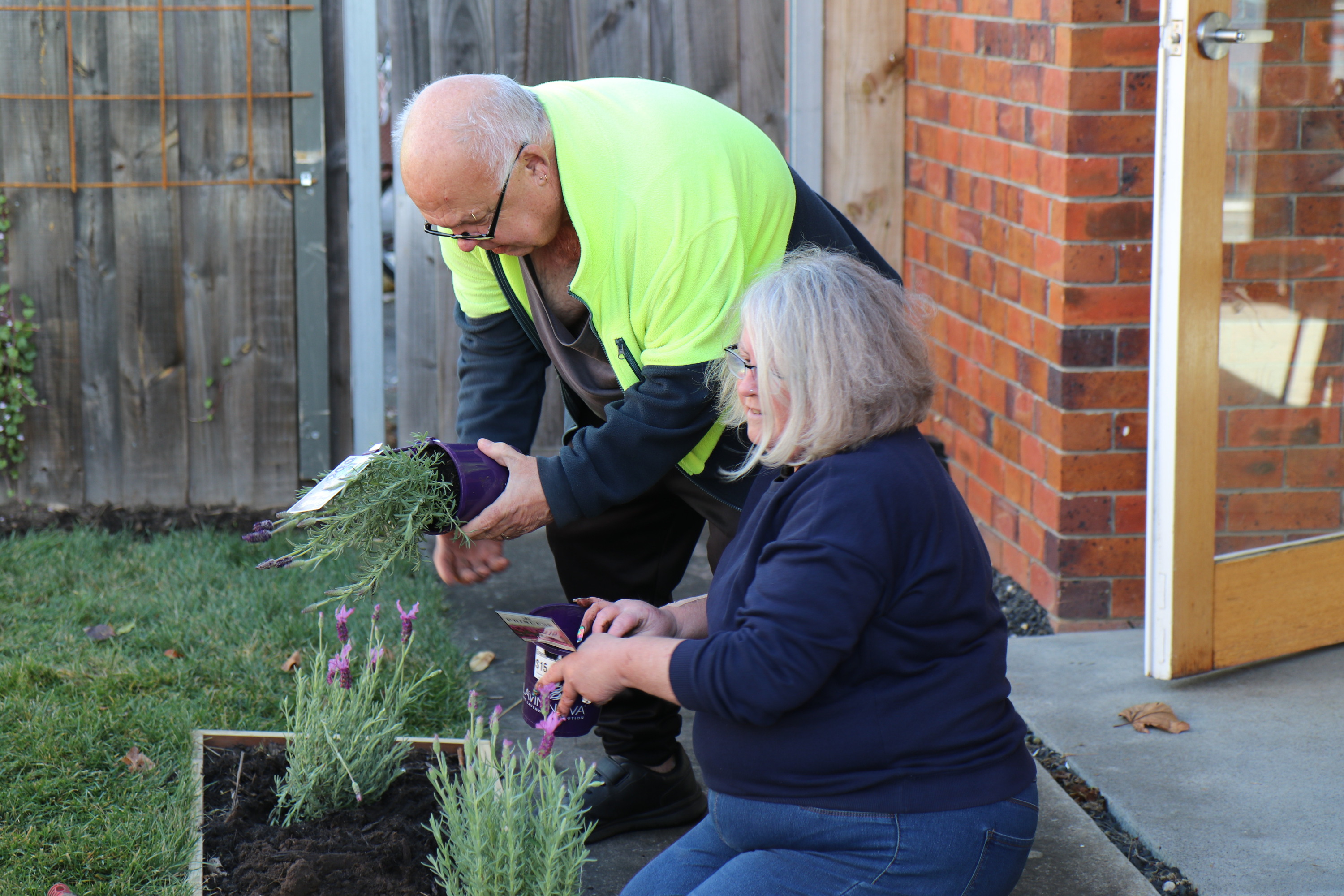
Potting and planting workshop at Bond Place, Gagebrook. Photo credit: Loreto Community Housing.
Celebrating the end of the project with Loreto Community Housing Tenants. Photo Credit: Loreto Community Housing.
Thank you to the Department of Social Services for funding this important work through the Strong and Resilient Communities – Inclusive Communities Grant, and to Loreto Community Housing for being such fantastic partners in creating thriving, connected communities across Tasmania.
We also extend our thanks to the University of Tasmania, who partnered with us as research collaborators to help evaluate the project’s outcomes and impacts.