

Restoring Cloudy Bay for swift parrots
Community workshop sets the path forward
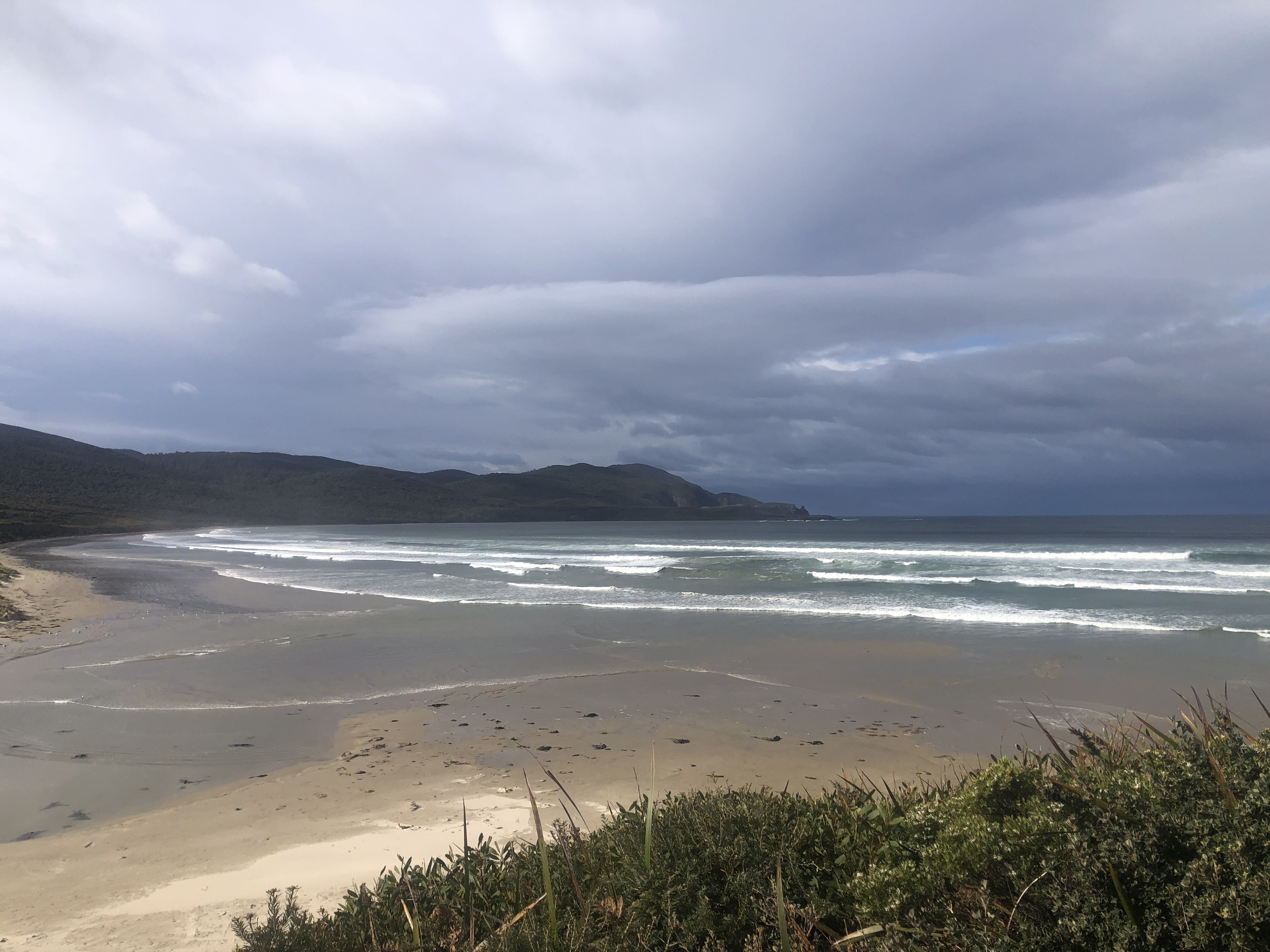
Cloudy Bay, Bruny Island. Image by: Anna Minchin.
In October, local landholders, restoration experts, and community members gathered for a productive workshop at Cloudy Bay, Bruny Island, to plan the next steps in restoring the former pine plantation landscape.
This workshop was held to support the Cloudy Bay Restoration Group and interested stakeholders to develop a landscape scale project aimed at restoring the pine plantation behind Cloudy Bay to native forest designed to improve the foraging habitat of the swift parrot (Lathamus discolor).
The day brought together shared knowledge, practical demonstrations, and inspiring case studies from across Tasmania.
A day of learning and collaboration
The Cloudy Bay Pine Plantation Restoration Project workshop began with presentations from Landcare Tasmania, outlining available support, showcasing the Project Bank, and introducing the emerging Nature Repair Market — a national initiative creating opportunities for funded ecological restoration.
Todd Dudley from the North East Bioregional Network (NEBN) shared insights from decades of pine plantation restoration work in Tasmania’s northeast. His presentation covered techniques such as ecological burning, seeding, planting, and the use of topsoil to encourage native regeneration.
Riq, from the Bruny Island Restoration Group, then took participants through the fascinating history of the Cloudy Bay pine plantation, including historic images and personal experience in achieving pine removal.
After lunch, the group explored the project site, discussed mapping, and observed soil testing demonstrations by Landcare Tasmania project manager Anna Minchin, adding valuable local data to the restoration planning process.
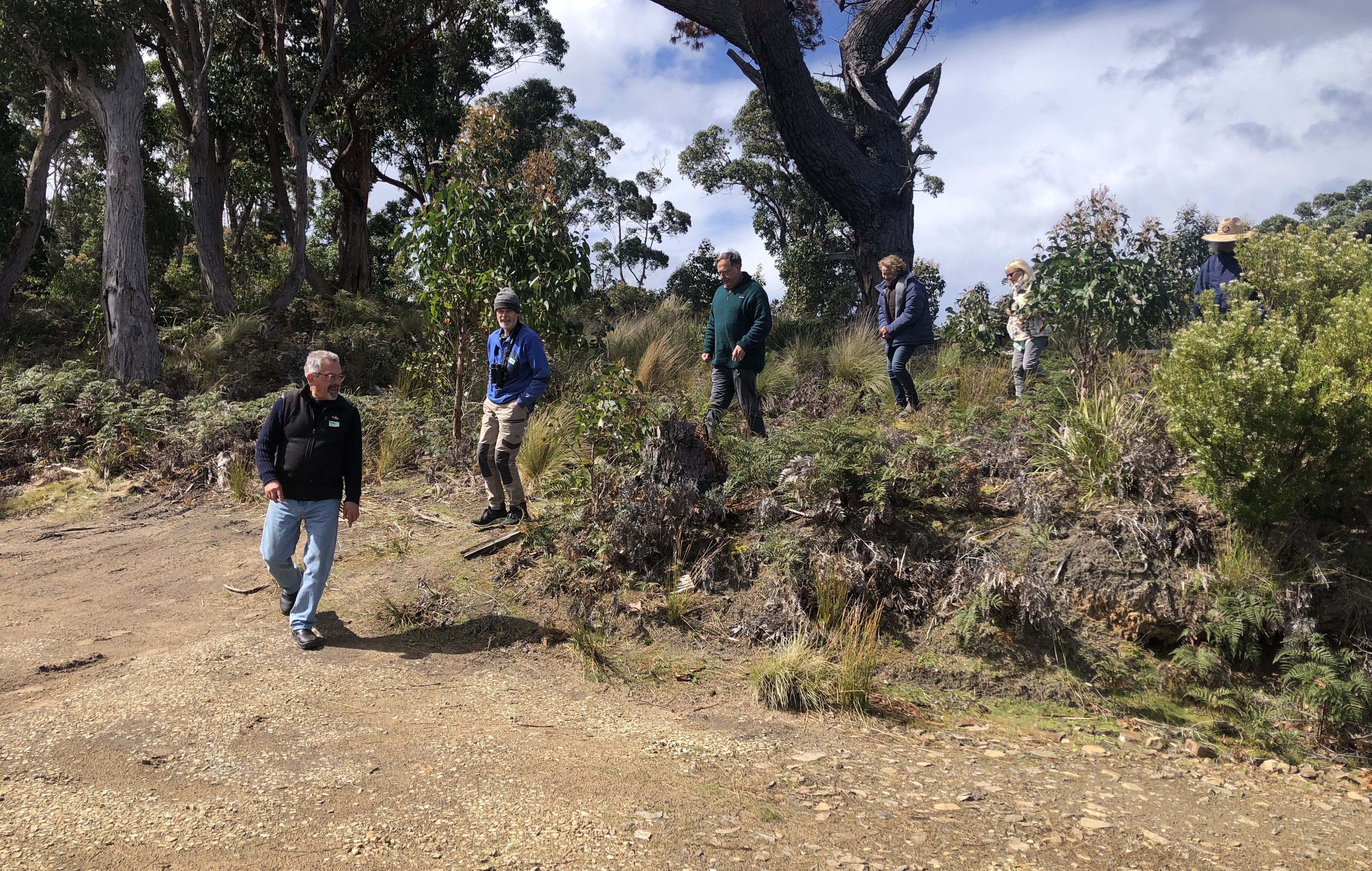
Image by: Anna Minchin.
Key takeaways
The discussions revealed that the Cloudy Bay plantation dates back to the 1920s–1940s, with a major fire in 1945 transforming much of the area into pasture. The remaining pines are regrowth, and historical records confirm that native forest once extended right down to the beach.
Participants learned about the restoration hierarchy — from assisted natural regeneration to direct seeding and planting — and discussed the advantages of using fire to stimulate seed banks and rebalance soil chemistry.
Effective pine control was identified as a key success factor, with various methods discussed: hand pulling, digging, lopping, cut-and-paint, chainsaws, mechanical removal, and controlled ecological burning. The ecological and biodiversity case for restoration was clear — pine plantations offer low habitat value, support few insects, and disrupt native food webs.
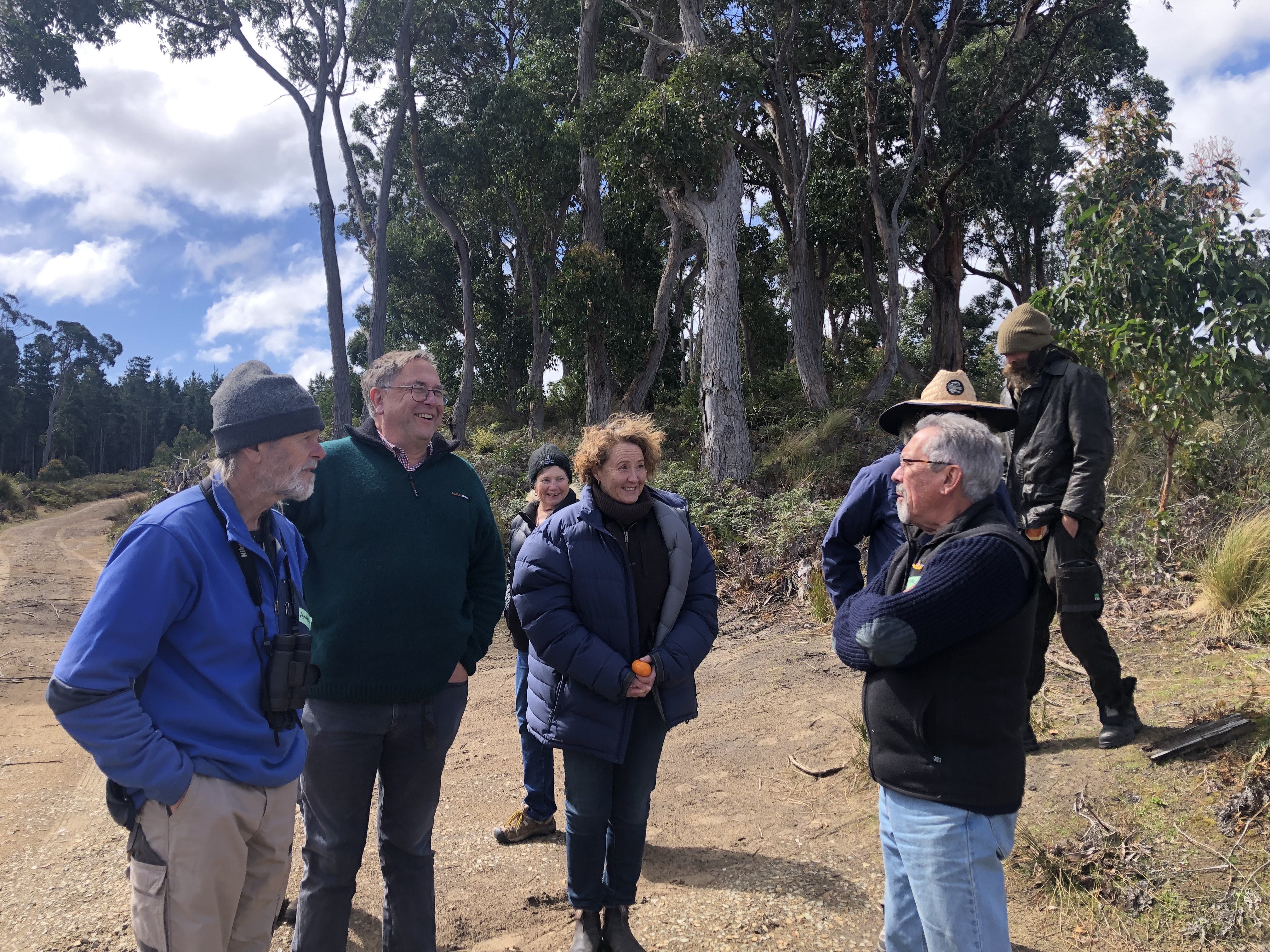
Image by: Anna Minchin.
Next steps
The group agreed that the project site at Cloudy Bay will serve as a pilot restoration site, demonstrating methods and outcomes for other landholders in the area.
Looking ahead, the group hopes to begin planting in winter 2026, marking the start of an ambitious community-led effort to return the Cloudy Bay landscape to thriving native habitat.
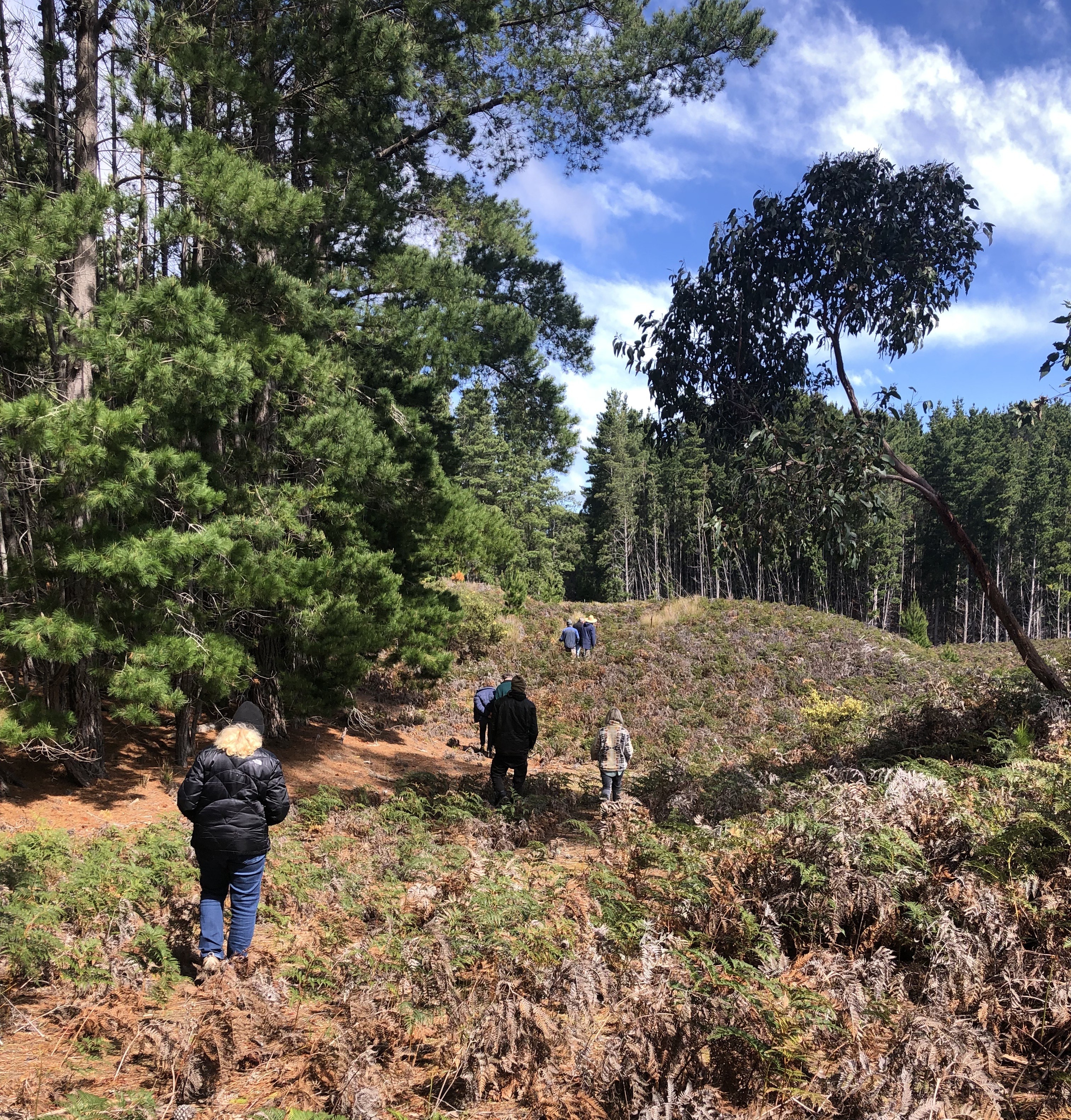
Image by: Anna Minchin.
Thank you!
Thank you to everyone who attended the Cloudy Bay Pine Plantation Restoration Project - workshop.
This workshop was delivered by Landcare Tasmania. The Cloudy Bay Pine Plantation Restoration Project is funded by the Australian Government’s Natural Heritage Trust and delivered by NRM South, a member of the Commonwealth Regional Delivery Partners panel.
