
Huon Waterwatch Program 22-25
Community monitoring for healthy rivers, resilient catchments and a changing climate
What is Waterwatch?
Waterwatch is a community-based waterway monitoring program that brings together volunteers, scientists and land managers to better understand and protect river health.
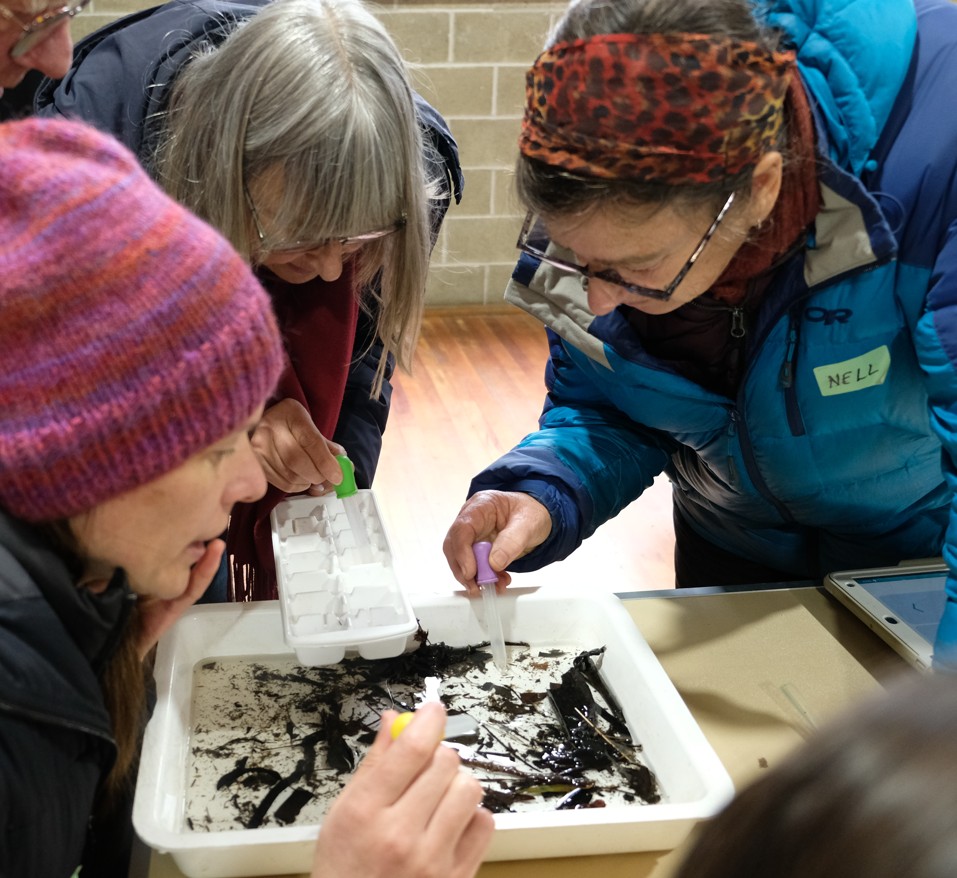
A key focus of Waterwatch is the monitoring of macroinvertebrates, commonly known as waterbugs. These tiny animals live on the bottom of streams and rivers and are highly sensitive to changes in water quality, flow and habitat. Because different species respond differently to pollution, drought and disturbance, waterbugs are a reliable indicator of long-term aquatic ecosystem health.
Across Australia, Waterwatch programs empower communities to collect meaningful environmental data, build local knowledge, and support evidence-based decisions for waterway management.
Waterwatch in the Huon Valley
Between 1997 and 2001, the Huon Healthy Rivers Waterwatch program was run as a community-based initiative by Huon Valley Council, supported by National Heritage Trust funding that helped peak Waterwatch activity across the region. At its height in the early 2000's, more than 20 community groups were actively participating in monitoring.
There is currently no central Waterwatch database in Tasmania, however you can access data and participate in waterbug monitoring through Waterbug Blitz, a citizen science monitoring program. Water quality monitoring done by the state government is available through the Water Information Web Portal.
Current Huon Waterwatch Program (2022–2025)
The current Huon Waterwatch program was established in mid-2022 by water quality expert Simon Roberts and freshwater ecologist and waterbug expert, John Gooderham, funded by the Huon Valley Council and supported by Landcare Tasmania to address gaps in local monitoring and respond to growing concerns about climate impacts on waterways.
In 2025, futher funding was received from a Community Climate Change Grant from the Tasmanian State Government after a very dry period in the Huon from August 2023 to July 2024. With low rainfall, many creeks experiencing very low or no flow, and Waterbug Blitz sampling showing low aquatic health scores at several sites when compared to previous records, concerns were raised about the resilience of freshwater ecosystems under increasing climate pressure.
The 4 year program focused on fine-scale monitoring of waterway health, operating as a state pilot and case study, and includes:
-
64 monitoring sites across the Huon catchment
-
447 water quality observations
-
104 waterbug and habitat samples
-
Establishment of baseline macroinvertebrate data for the region, comparing historic data
-
Six local waterwatch groups, plus many volunteers, assisting: Castle Forbes Bay, Prices Creek, Russell River, Dover Landcare, Baker Creek and Port Huon
- Multiple community workshops on River Health and Water quality and Water bug Training
- A Report for 2025 waterwatch activites to be released early 2026
You can listen to the presentation of the results of that project here:
* This project has been nominated for a Tiny Town Sustainability Awards with the Huon Valley Council- watch the submission video here
What’s next?
Looking ahead, Huon Waterwatch aims to:
-
Use the growing dataset to advocate for long-term support and action
-
Explore options for regional monitoring, similar to waterwatch programs in other states
-
Explore the potential of a Tasmanian Waterwatch working group
-
Strengthen engagement with State Government to improve coordination and data sharing
Resources
- Report to Huon Valley Council on Waterwatch and Waterbug Blitz activities from July 2022 to June 2023
- Report on the Potential climate change impacts on ecological health of waterways in the Huon Valley 2026
- Appendix 2 Huon Catchment Waterwatch Water Quality Data 2026
How to get involved?
Join Waterwatch Activities with the Upper Huon Wildlife Monitoring Group
Loan a Water Quality and Water Bug Kit from the Lending Library
Waterwatch Physio-chemical Monitoring Data Sheet
Join the National Waterbug Blitz
This project is part of Landcare Tasmania's Landscape Restoration and Community Outreach programs funded by the State Government's Community Climate Change Action Grants Program 2024. And supported by the Huon Valley Council, the National Waterbug Blitz and the Upper Huon Wildlife Monitoring Group.