
Small actions that make a big difference at St James College
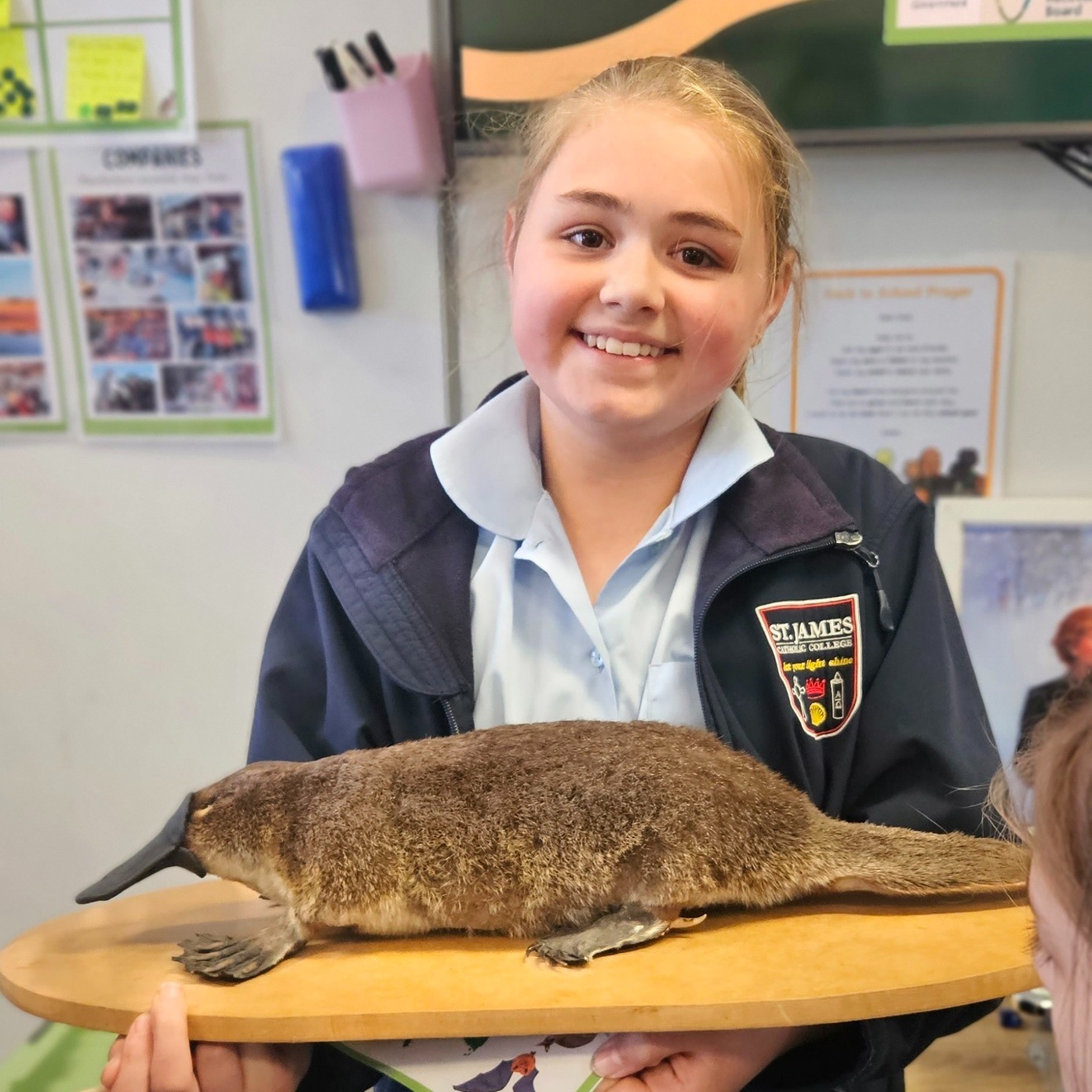
Landcare Tasmania's Waste and Wildlife education program invites students to reflect on our roles in respecting, protecting, and caring for the native wildlife that call Lutruwita/Tasmania home. Students explore how individuals, communities, lawmakers, and manufacturers all have responsibilities (and opportunities) to do better for local wildlife.
In particular, it examines how waste that ends up in our forests, wetlands, grasslands, streams, rivers, and the sea affects Tasmanian wildlife and what we can do about it.
The Grade 5 students at St James Catholic College were full of innovative and clever ideas to solve the problem of waste and how it affects our local wildlife.
Tasmanian Aboriginal knowledge guiding care for Country and wildlife.
The students are fortunate to have their teacher Michelle Synnott, to provide Tasmanian Aboriginal context and knowledge to their school year. Thank you Michelle for sharing your knowledge and important cultural information to the students about environmental impacts which included climate change, pollution, Caring for Country, Cultural Burning and how we can look after the environment.
In Trish Hodge’s new book Palawa tunapri - Knowledge of our ancestors, Trish talks about paliti niyakara-mana-mapali | spirits and dreams or totems.
“Totems represent our identity, which is inherently connected to milaythina (Country). Totems hold significant meanings that encompass our ancestral knowledge, traditions and relationships with both each other and our Country. Totems can be plants or animals, even fire or water. They hold knowledge, ancient stories and songlines; totems guide and protect us; they serve as a method for managing environmental sustainability, providing guidance on which foods can be gathered or hunted and the appropriate times for these activities.”
The Melukerdee of the South East Nation maintained a respectful relationship with wildlife, ensuring animals thrived and human needs remained in balance with nature’s cycles. A connection that the South East Tasmanian Aboriginal Corporation (SETAC), who manage this Country, continue to uphold today.
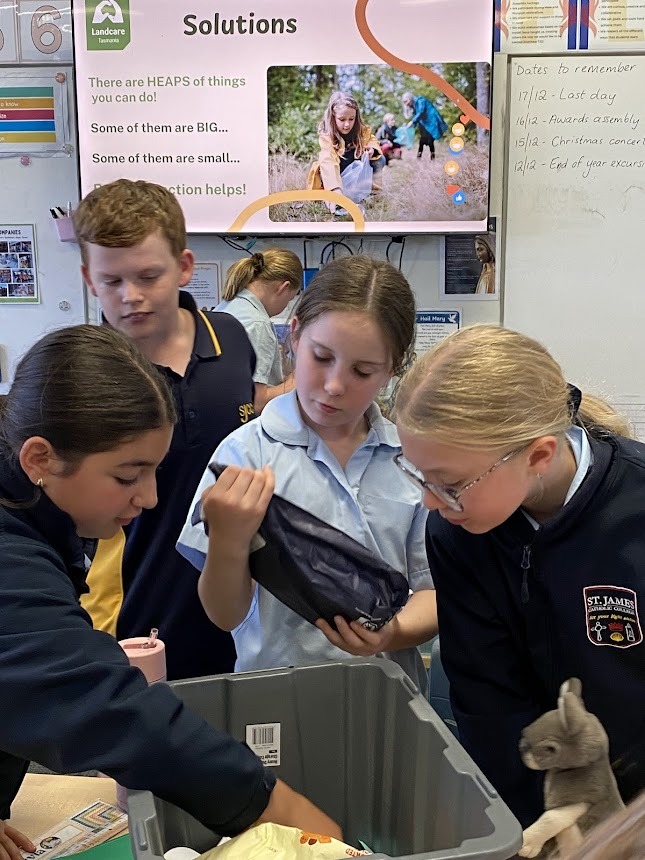
Students share their thoughts
Something I learned about Waste and Wildlife
- "Some rubbish stays in our environment forever." - Clancy
- "That fishing line is dangerous for wildlife." - Montana
- "I learnt that if you feed wallabies bread it can kill or badly harm them." - Harriet
Student pledges to help wildlife
- Help animals and recycle to make a better planet. - Jerry
- Get people to help make safer nests for the little penguins. - Montana
- Instead of throwing bananas or fruit out you can put together a compost pile or recycling program. - Harriet
- My pledge is to not feed bread to Wallabies. - Zoey
- Stop using cling wrap. - Ari
- To pick up rubbish when I see it. - Harper
Thank you!
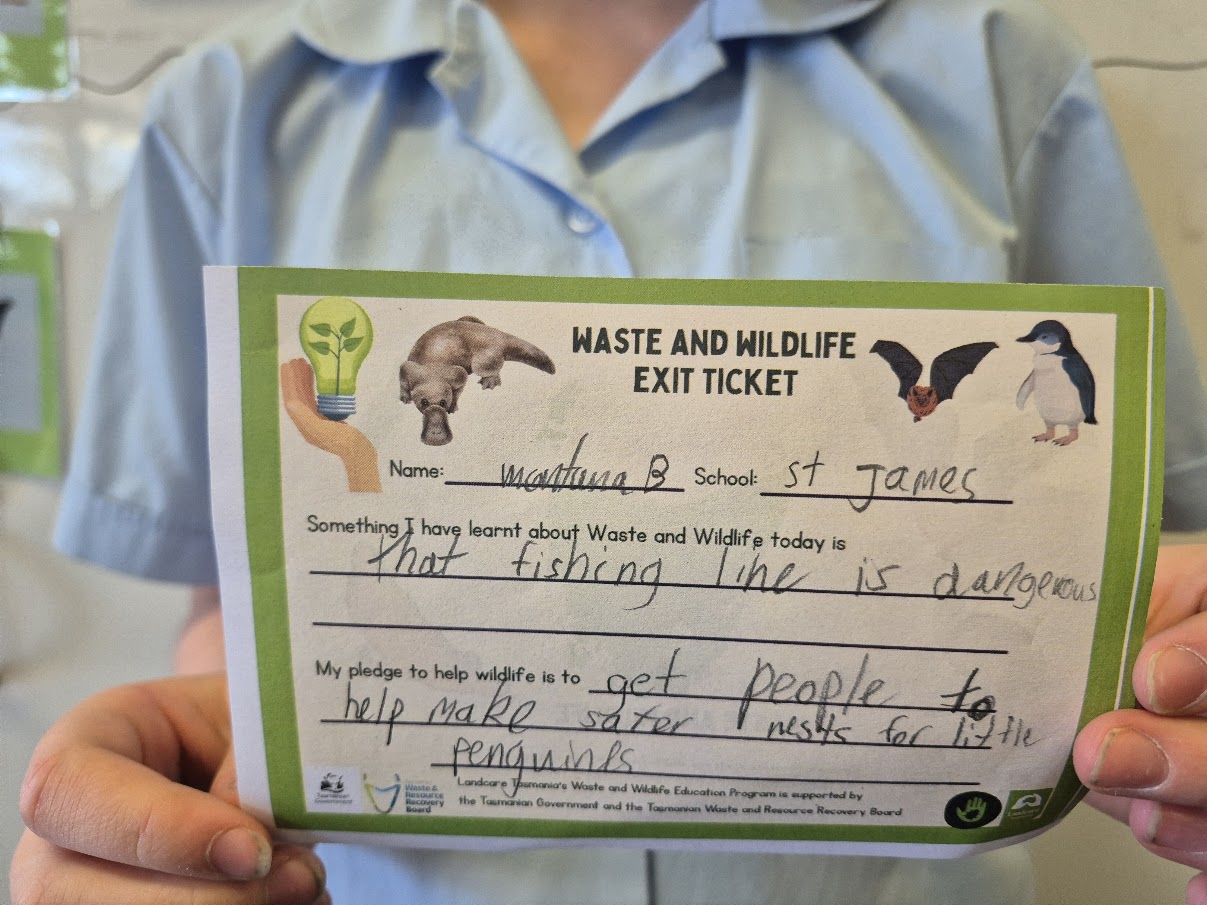
Thank you to the teachers and students of St James Catholic College in Cygnet for your warm welcome, enthusiastic discussions, and clever ideas.
Landcare Tasmania's Waste and Wildlife Program is supported by the Tasmanian Government and the Tasmanian Waste and Resource Recovery Board.
The program includes a teacher package with pre and post lessons linked to the V9 Australian Curriculum. Educators interested in bringing the program to their school can contact [email protected]
