
Education Program
Our growing Education Program aims to support member schools with curriculum-aligned workshops and draw in the wider community through family-friendly public events.
Education Program Promo Brochure
We offer a diverse range of incursions and excursions for schools across Tasmania.
-
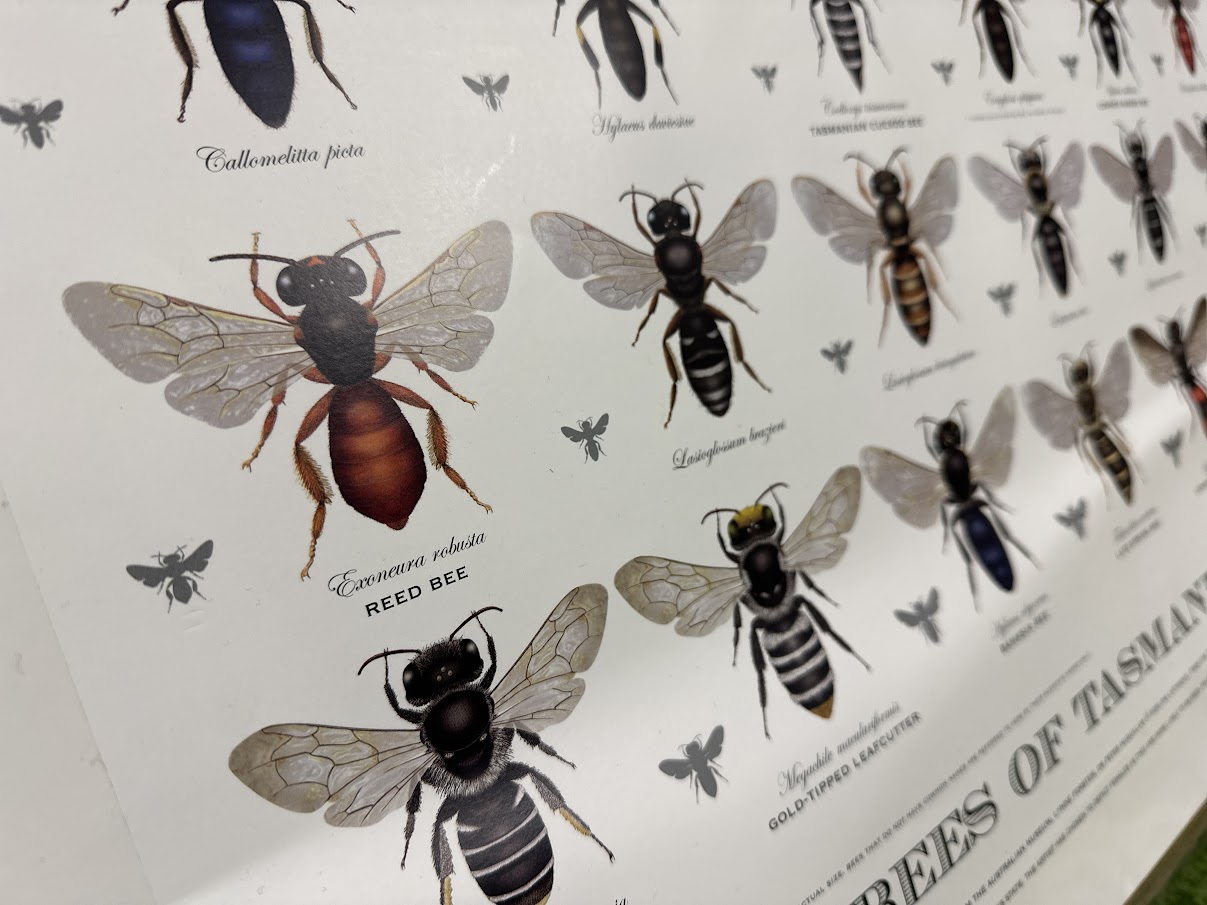
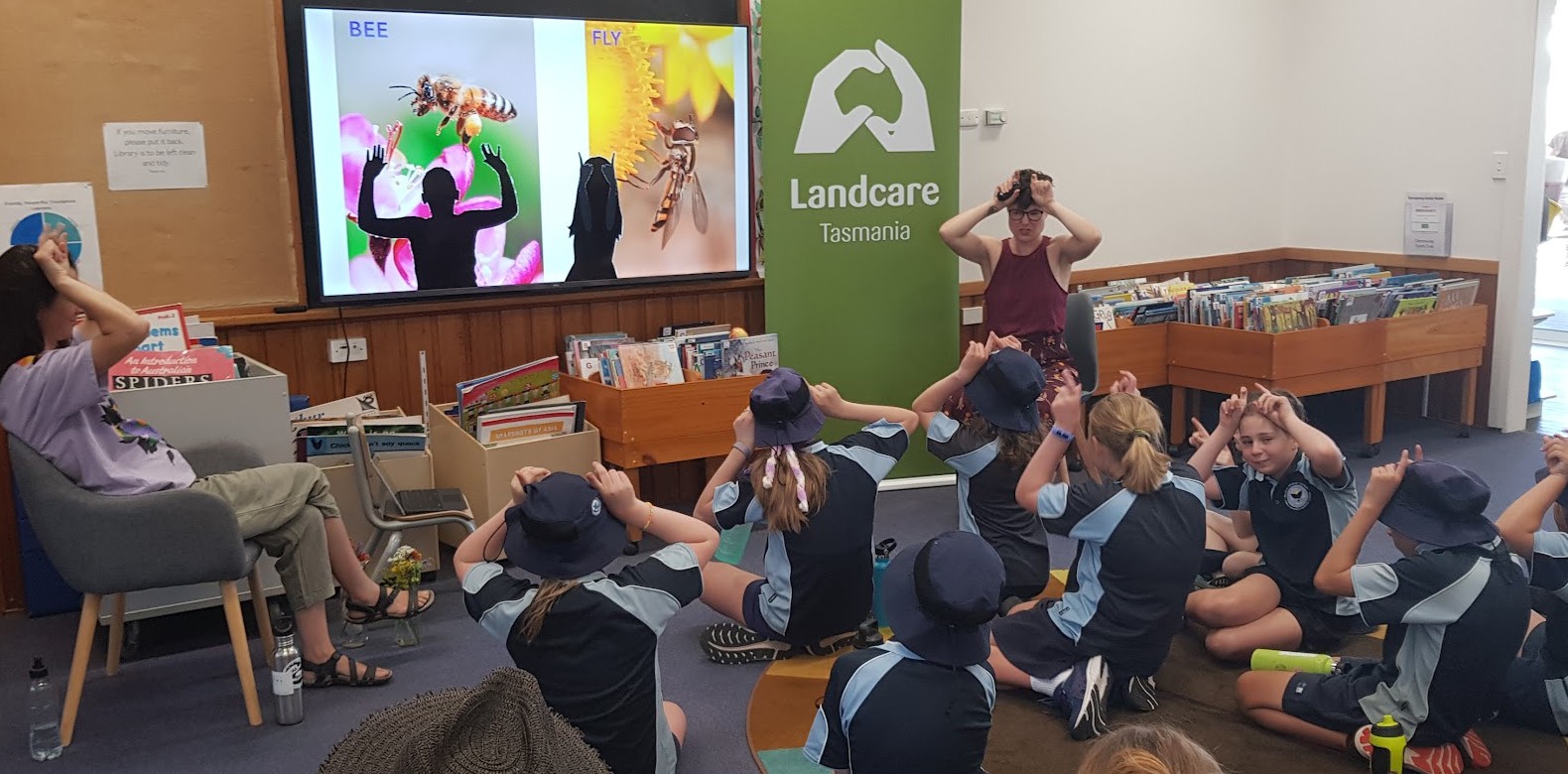
Native Bee Guardians – school incursion
Discover, identify, and learn cool facts about your local native bees.
-
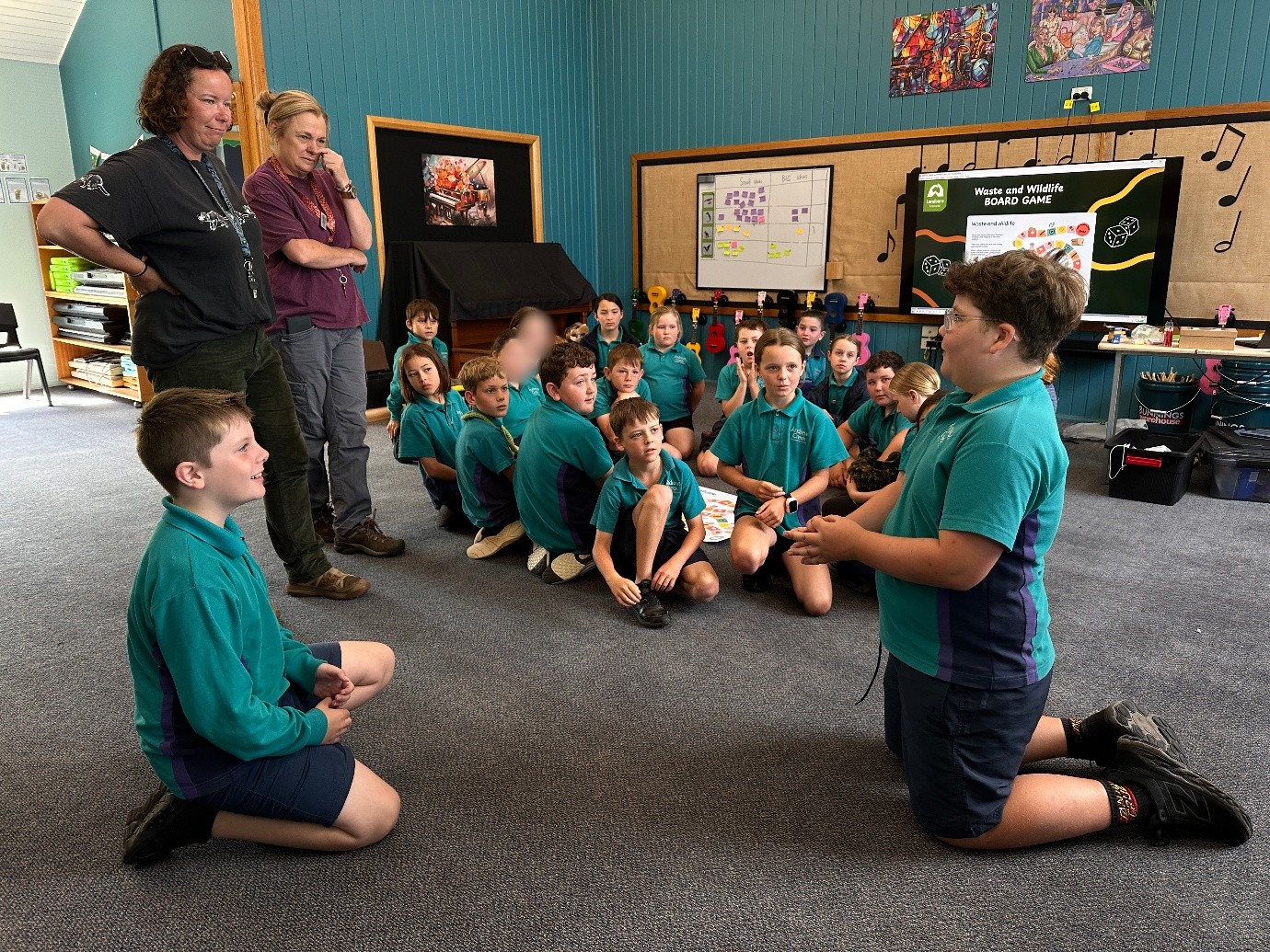
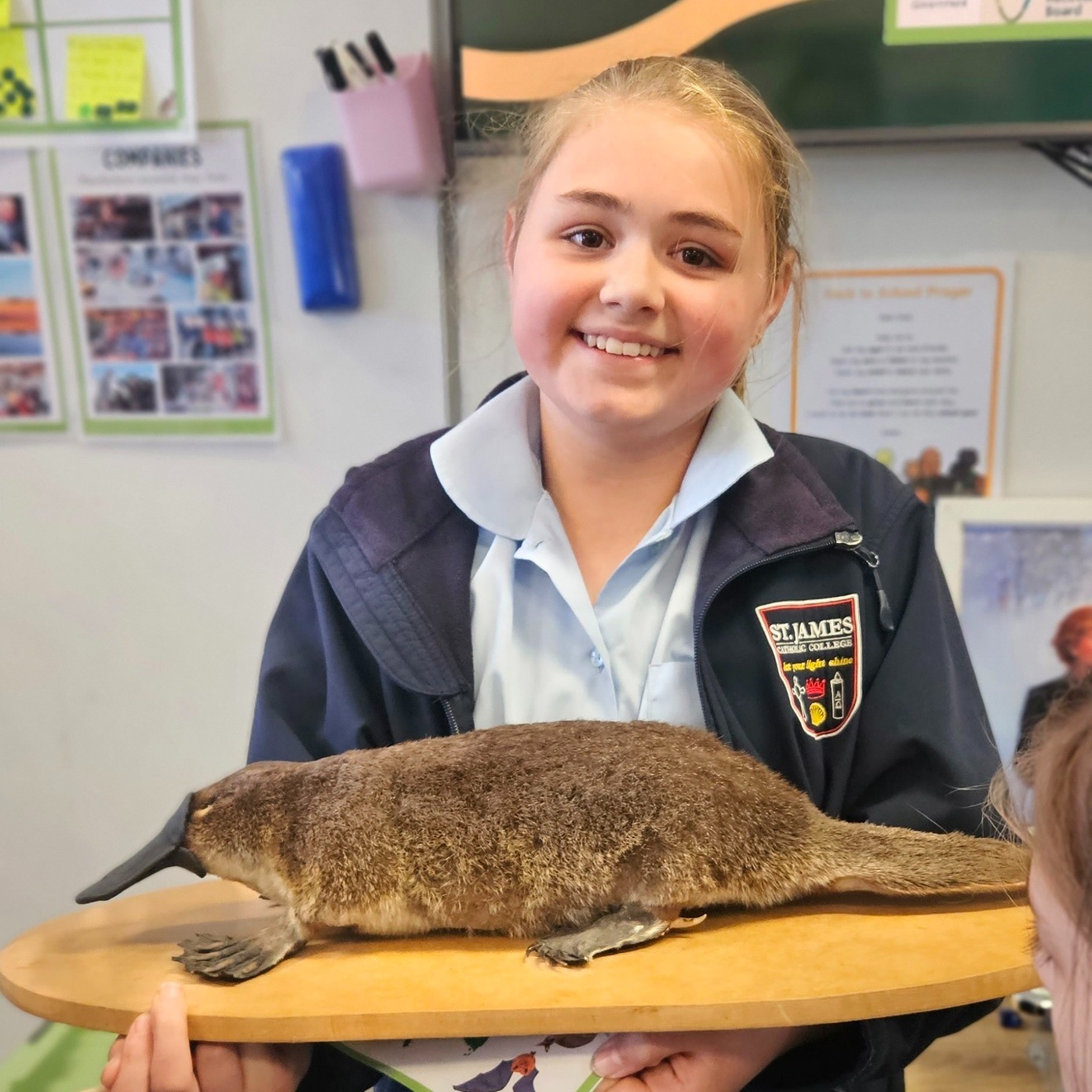
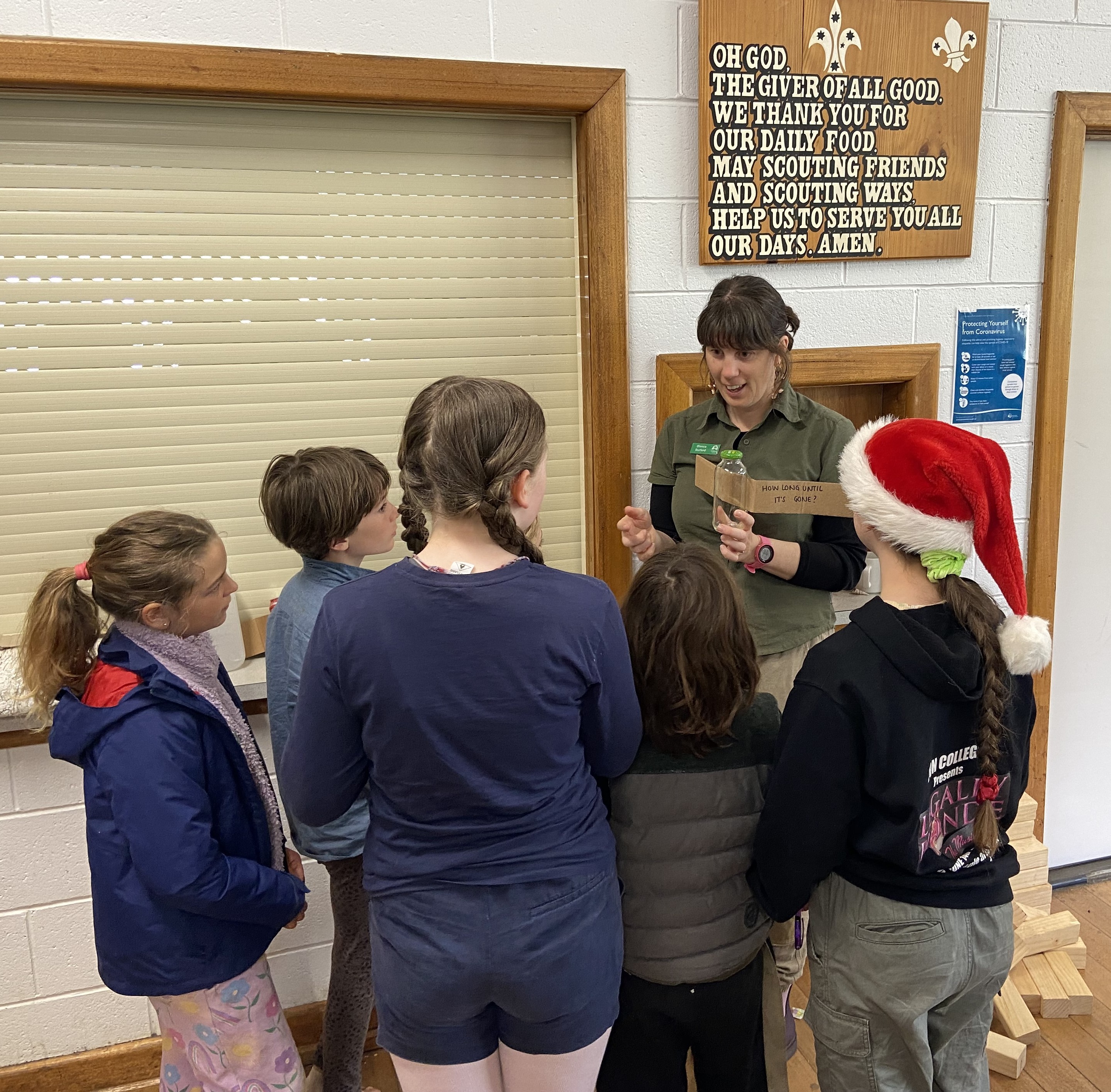
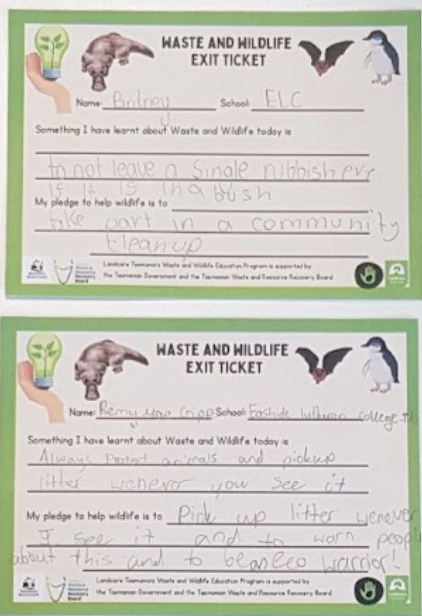
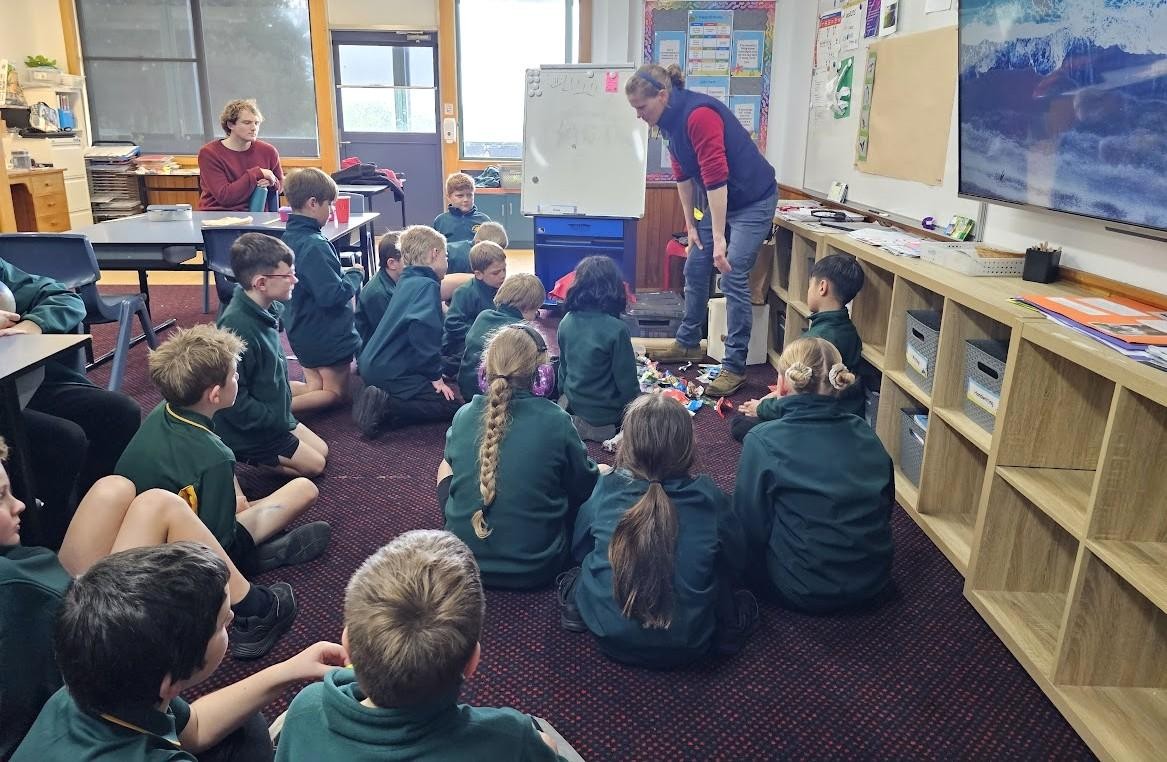
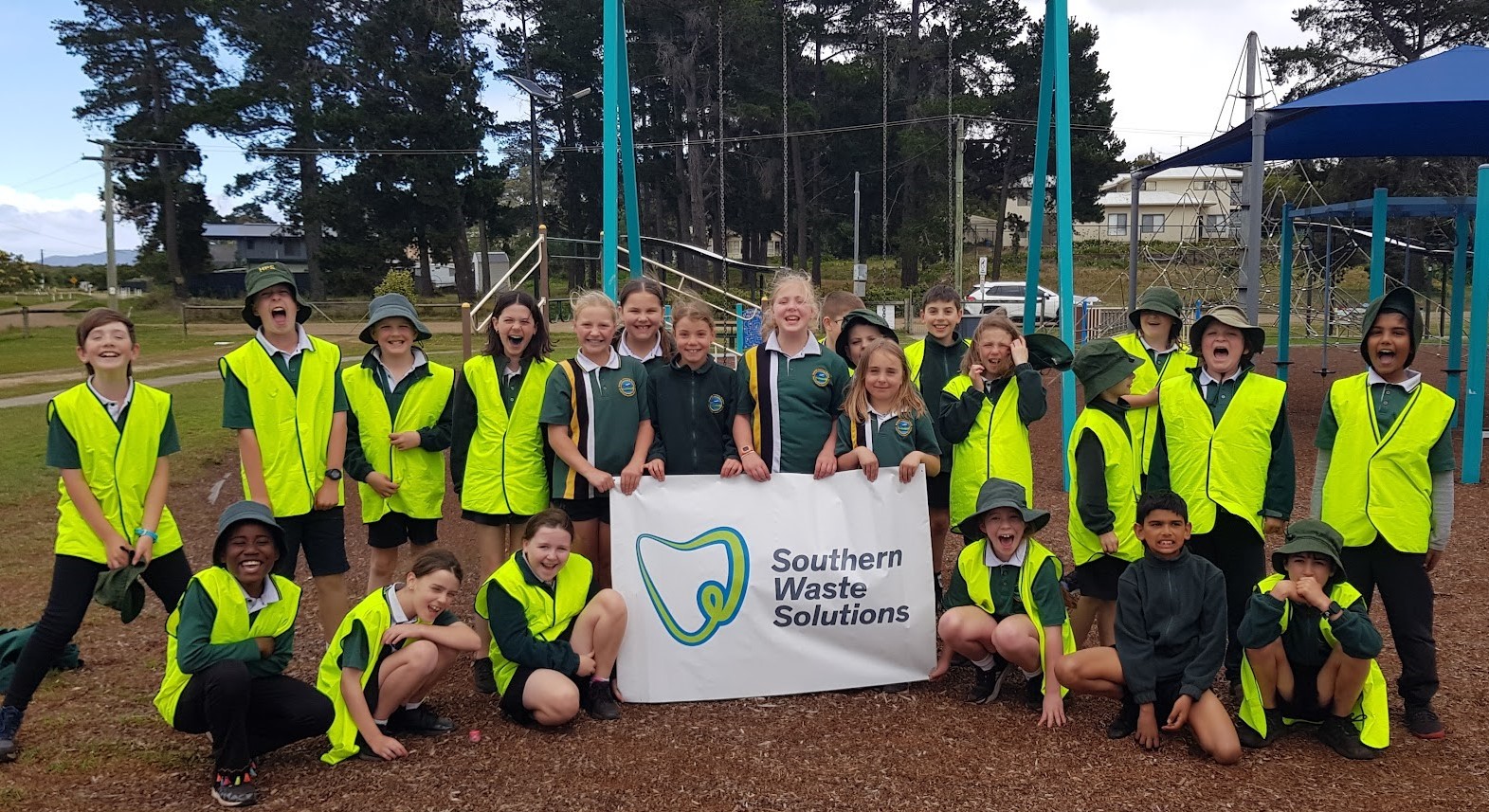
Waste & Wildlife Awareness – school incursion
Learn how waste affects our wildlife and make a difference today.
-
Let’s Explore Waste – excursion
Visit a working landfill and discover waste solutions.
-
Biodiversity – Plantings in Schools – incursion
Plant native species and improve your local ecosystem, create a school legacy.
-
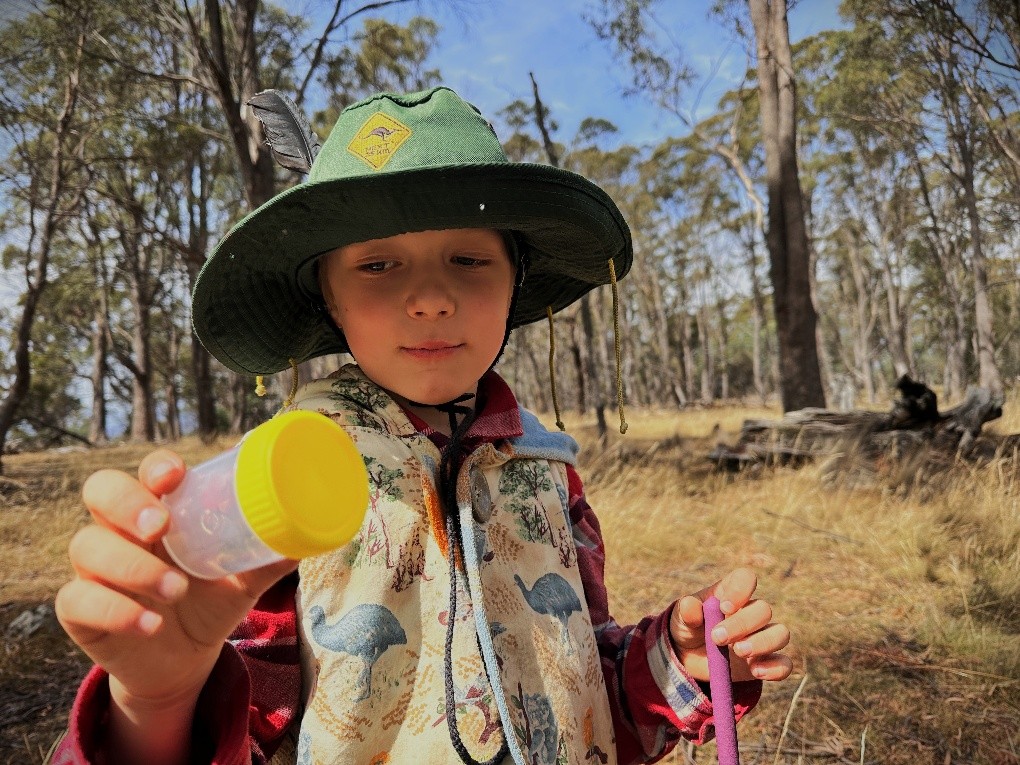
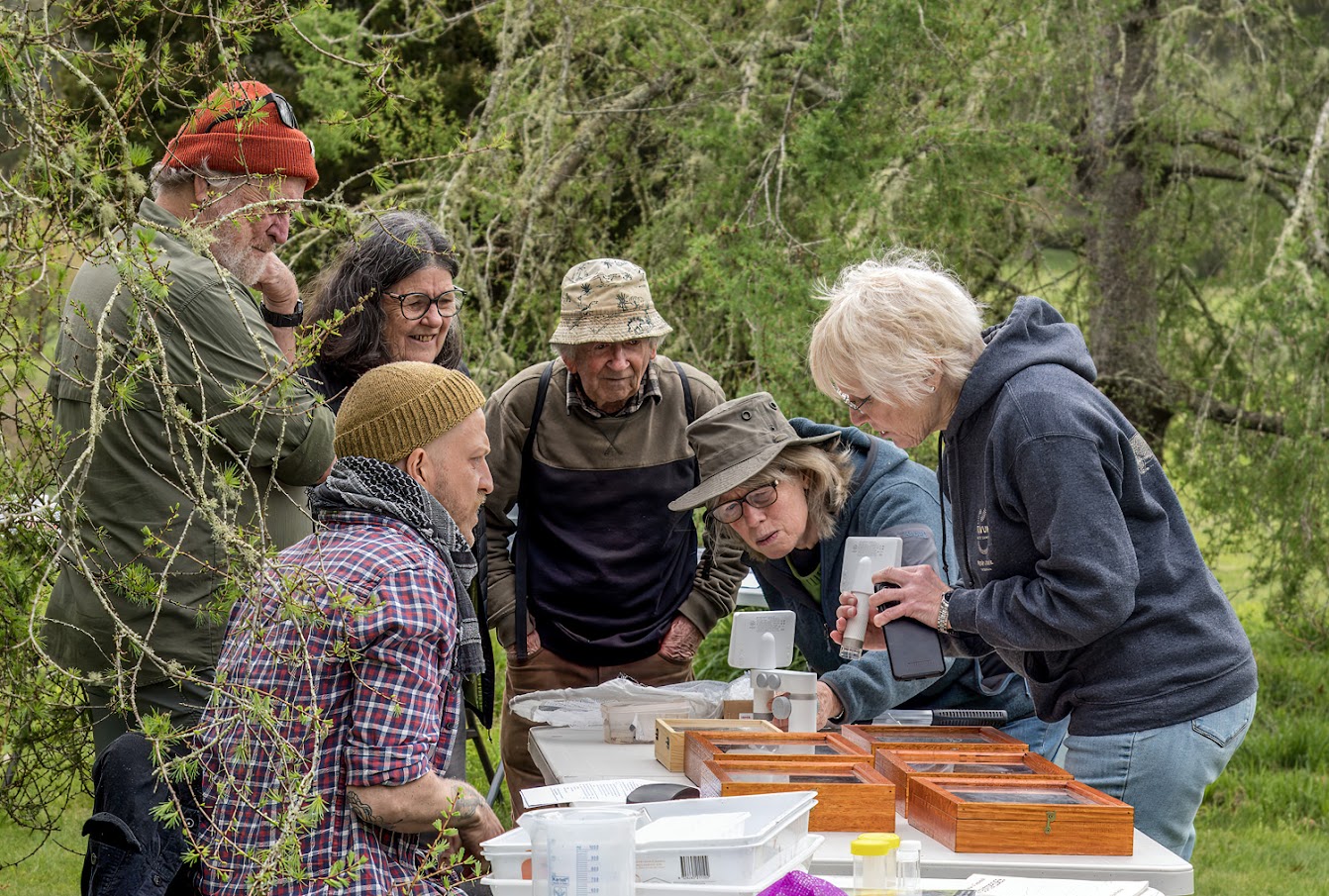
Citizen Science in Schools – incursion
Investigate nature and collect real environmental data at your school.- Lines of Life Threatened species nature journalling (coming soon)
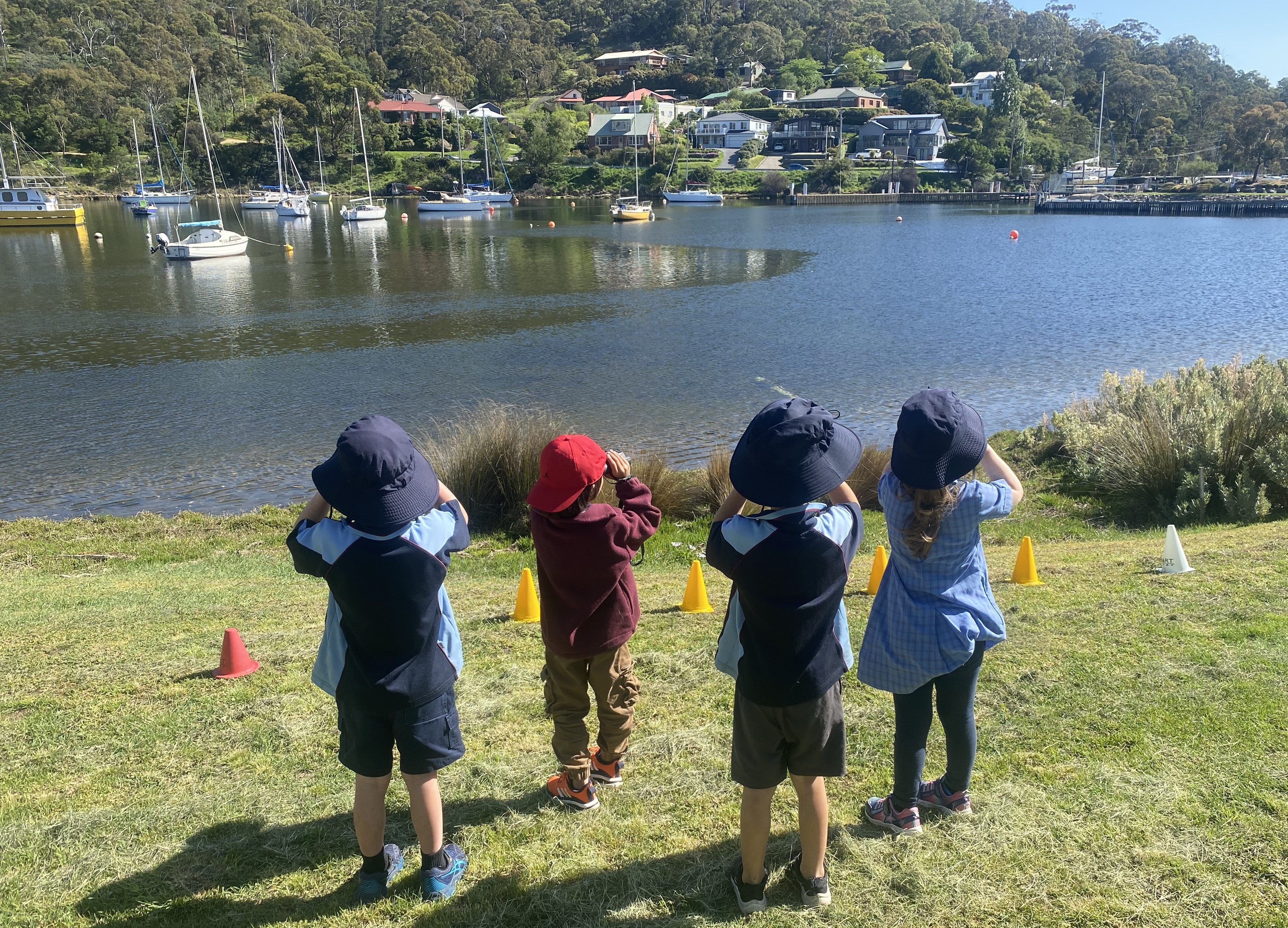
- Birdwatching in Schools
-
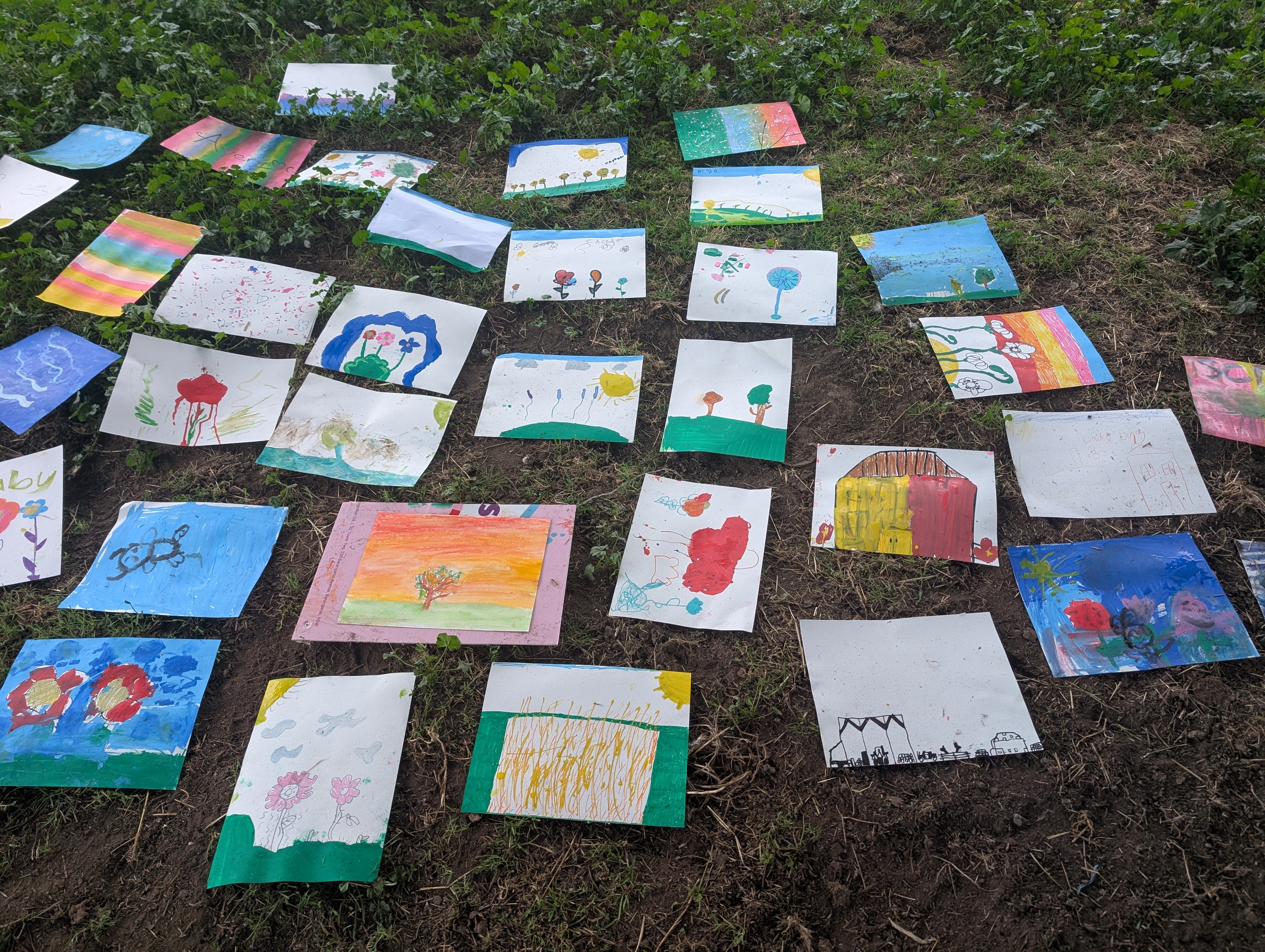
Bug Hunt and Art Lab events
-
Teacher Training - online wildlife monitoring webinar (coming soon)
Learn how to monitor wildlife and engage students in nature.
-
Education Lending Library
Borrow tools and resources to explore and care for nature.
-
Resources & support
Learn, connect, and lead conservation at your school.
Is your school interested in participating in our Landcare Education Program?
Fill out this form and a team member will be in touch.
Planting a pocket forest at Clarence High School
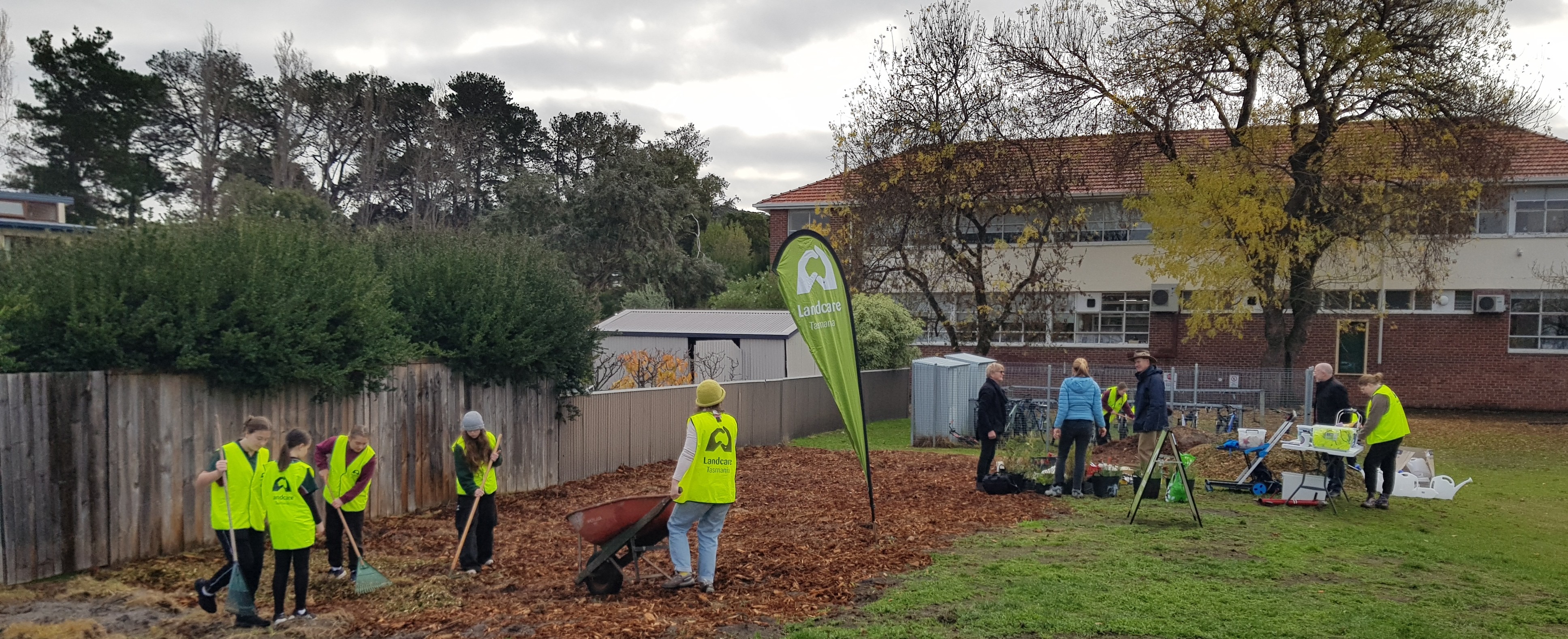
Last year, students at Clarence High School dedicated time to getting their hands dirty and put more than 200 native plants in a special space on the school grounds.
This documentary was a part of the Social Justice and Sustainability subject at Clarence High School. The Grade 9 and 10 students filmed the process of the Pocket Forest, creating a student led documentary using The Power of Activism movie for inspiration.
Learning through connection
Representatives from Landcare Tasmania and Nipaluna Nursery shared their knowledge on:
- The role of Landcare Tasmania in environmental stewardship.
- The work of the Bellerive-Howrah Coastcare group, who care for the nearby beaches, dunes, and bluffs through weeding, rubbish removal, and planting native species to restore biodiversity.
- Nipaluna Nursery who supported the pocket forest with indigenous plants. This native plant nursery is dedicated to growing and promoting locally indigenous plants of the nipaluna/Hobart region. Their volunteers also attended the event, assisting the students to plant the pocket forest.
- The value of native and locally indigenous plants: species that support local wildlife, are adapted to the area’s conditions, require less water, and enhance soil health.
Student contribution and action
Students played a key role in site preparation, having previously moved large amounts of mulch — a task compared to the soil-moving power of a bandicoot, which can shift the equivalent of an elephant’s weight in soil per year!
On the day:
- Students learned how to plant properly and safely: digging, teasing roots, adding fertiliser and water, and spreading mulch.
- They practiced team roles, working in groups to ensure success.
- Watering and aftercare plans were discussed, empowering students to take ongoing ownership of the site’s maintenance: watering deeply, weeding regularly, and monitoring growth.